Baking is a delightful journey, and every home chef knows that having the right tools makes all the difference. When it comes to whipping up perfectly golden-brown treats, finding the Best Muffin Pan is an absolute game-changer. It’s more than just a tray with indentations; it’s the foundation for everything from fluffy morning muffins to savory dinner delights. This guide will walk you through everything you need to know to pick a pan that feels like it was custom-made for your kitchen and your culinary aspirations.
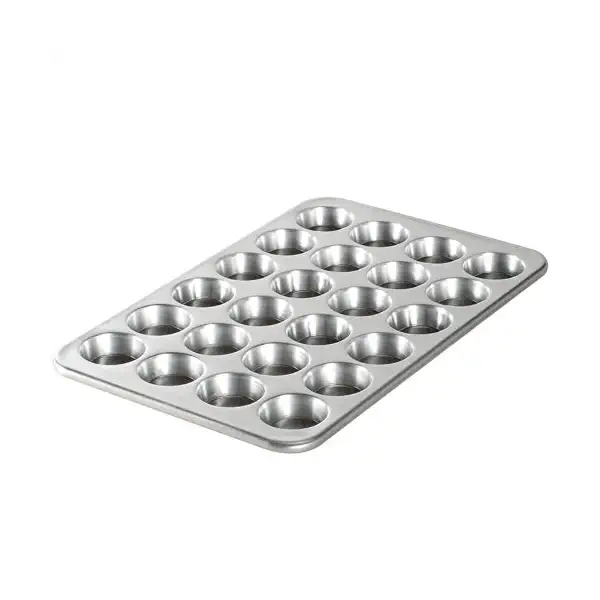
A Sweet History: The Evolution of Muffin Pans
The humble muffin pan, or muffin tin as it’s often called, has a surprisingly rich history, evolving alongside baking techniques and materials. Early versions were likely cast iron, heavy and durable, designed to withstand the intense heat of hearths and brick ovens. These robust pans laid the groundwork for individual baked goods, moving beyond large loaves and cakes. As technology advanced, so did bakeware. The 20th century saw the rise of lighter metals like aluminum and steel, which made pans more accessible and easier to handle. Then came the innovation of non-stick coatings, a true revolution for bakers tired of stubbornly stuck treats. Today, we have an array of options, including flexible silicone and elegant ceramic, each offering unique benefits to the modern baker. This continuous evolution highlights a shared desire to make baking more efficient, enjoyable, and, of course, delicious.
Decoding Muffin Pan Materials: Which One Reigns Supreme?
Choosing the best muffin pan often boils down to understanding the materials it’s made from. Each type brings its own set of characteristics to your baking, impacting everything from heat distribution to ease of cleaning.
Non-Stick Metal Pans: The Everyday Workhorse
When you think of a classic muffin pan, chances are you picture a metal one. These are typically made from aluminum, carbon steel, or stainless steel, often coated with a non-stick finish.
- Pros: Metal pans are champions of heat conduction, meaning they heat up quickly and distribute warmth evenly, giving your muffins that coveted golden-brown crust and perfectly baked interior. They’re generally durable and can withstand high oven temperatures. Carbon steel and aluminum are particularly praised for their consistent performance.
- Cons: The non-stick coating, while incredibly convenient, can wear down over time, especially with abrasive cleaning or the use of metal utensils. Most manufacturers recommend hand-washing to preserve the coating, even if they’re labeled “dishwasher safe.” Also, darker metal pans tend to absorb more heat, leading to faster browning, so you might need to adjust baking times slightly.
“For consistent baking and that delightful crisp edge, a quality non-stick metal pan is hard to beat,” says Chef Anya Petrova, a veteran bakery owner. “It’s the workhorse of any serious baker’s kitchen.”
Silicone Muffin Pans: The Flexible Friend
Silicone pans have gained immense popularity for their distinctive flexibility and vibrant colors.
- Pros: The primary advantage of silicone is its non-stick nature and flexibility, which makes releasing baked goods incredibly easy – a gentle push from the bottom and your muffins pop right out. They’re also a breeze to clean, often dishwasher-safe, and can go from the freezer to the oven (or microwave!). This makes them excellent for individual frozen portions or no-bake treats.
- Cons: Silicone isn’t the best conductor of heat. This means your muffins might take a little longer to bake and might not achieve the same level of golden-brown crust as those baked in metal pans, sometimes resulting in a paler finish. They can also be a bit floppy, so placing them on a baking sheet for support before transferring them to the oven is usually a good idea.
Ceramic Muffin Pans: Elegance in Every Bake
Less common but certainly noteworthy, ceramic muffin pans offer a blend of aesthetics and functionality.
- Pros: Ceramic bakeware retains heat exceptionally well, which can be great for achieving thoroughly cooked interiors. They often boast beautiful designs and colors, making them perfect for serving directly from the oven to the table, adding a touch of elegance to your brunch spread.
- Cons: The main drawback is their fragility. Ceramic can chip or break if dropped or subjected to sudden temperature changes, requiring more careful handling and storage than metal or silicone.
Cast Iron Muffin Pans: A Timeless Tradition
While not as common for everyday muffins, cast iron pans, especially gem pans, offer a traditional baking experience.
- Pros: Cast iron is incredibly durable and, when properly seasoned, can last for generations. It excels at retaining and distributing heat, creating wonderfully crispy exteriors and moist interiors, especially for corn muffins or similar rustic bakes.
- Cons: They are heavy and require meticulous care, including seasoning and immediate drying after washing to prevent rust. They also take longer to heat up.
What Makes the Best Muffin Pan? Key Features to Consider
Beyond the material, several other factors contribute to making a muffin pan truly the best muffin pan for your needs.
Material Matters, Again!
As we’ve explored, the material greatly influences baking performance. Consider your priorities: even browning (metal), easy release (silicone), or a stylish presentation (ceramic).
Superior Non-Stick Coating
Even with metal pans, the quality of the non-stick coating is paramount. A durable, effective non-stick surface ensures easy release and makes cleanup significantly easier. Look for reinforced coatings that are free of harmful chemicals.
Durability and Construction
A sturdy pan won’t warp or bend under high heat, ensuring consistent baking results over time. Wire-reinforced rims on metal pans add extra strength and stability. Wide side handles are a bonus, making it safer and easier to grip the hot pan with oven mitts.
Cup Size and Count
Most standard muffin pans come with 12 cups. However, you can also find mini muffin pans (perfect for bite-sized treats or appetizers), jumbo muffin pans (for bakery-style muffins), or even 24-cup pans for baking in larger batches. Choose a size that aligns with your typical baking needs.
Excellent Heat Distribution
The goal is evenly baked goods, not muffins that are burnt on one side and raw on the other. Pans designed with textured wells can help promote better airflow and heat circulation, contributing to consistent baking and browning. Lighter-colored metal pans generally offer more even browning than darker ones.
Ease of Cleaning
Let’s be honest, no one enjoys scrubbing baked-on batter. Look for pans with smooth surfaces and minimal crevices where food can get trapped. While many pans are labeled “dishwasher-safe,” hand-washing is often recommended to extend the life of non-stick coatings and prevent potential moisture build-up that can lead to rust.
Mastering Your Muffin Pan: Tips for Optimal Use
Even with the best muffin pan, a few simple techniques can elevate your baking from good to extraordinary.
Prepping for Success
Always prep your pan, even if it claims to be non-stick. Lightly greasing with butter or cooking spray, or using paper liners, provides an extra layer of protection against sticking and makes cleanup a breeze. For carbon steel or cast iron, “seasoning” before the first use creates a natural non-stick surface.
Filling the Cups
Resist the urge to overfill! For most standard muffins, filling each cup about two-thirds full allows for a beautiful rise without overflowing. If using a recipe that calls for a significant “muffin top,” you might fill them a bit more, but follow the recipe’s specific guidance.
Ensuring Even Baking
Ovens can have hot spots. If you notice uneven baking, try rotating your pan halfway through the baking time. If you’re using a dark-colored metal pan, keep an eye on your bake as it might brown faster than recipes assume for lighter pans.
The Perfect Release
Once baked, let your muffins cool in the pan for about 5-10 minutes. This allows them to firm up slightly, making them much easier to remove without breaking. Then, transfer them to a wire rack to cool completely, preventing the bottoms from becoming soggy.
Keeping Your Pan Pristine: Cleaning and Care Guide
A well-maintained muffin pan will serve you for years. Proper cleaning and care are crucial, especially for the best muffin pan with non-stick coatings.
Hand Washing vs. Dishwasher
While many non-stick and silicone pans are dishwasher safe, hand washing in warm, soapy water with a soft sponge is generally recommended. Harsh dishwasher detergents and high heat can degrade non-stick coatings over time.
Tackling Stubborn Stains
- Soaking: For baked-on batter or stubborn bits, let the pan soak in warm, soapy water for 15-30 minutes before gently scrubbing.
- Baking Soda Paste: A mixture of baking soda and a little water can work wonders on tough stains. Apply the paste, let it sit for a few minutes, then scrub with a soft brush or sponge.
- Oven Method (for heavily soiled metal pans): For truly stubborn grease, some experts suggest a baking soda and water solution poured into the cups, then baked in the oven at 350°F (177°C) for 20 minutes to loosen residue. Always let the pan cool before scrubbing.
Drying and Storage
After washing, dry your pan thoroughly, especially metal ones, to prevent rust. For carbon steel or cast iron, a thin layer of cooking oil wiped on the surface after drying offers extra protection. Store pans carefully, avoiding stacking heavy cookware directly on top, which can cause dents or scratches to the coating. Placing a soft cloth or paper towel between stacked pans can help protect them.
Beyond the Basics: Creative Dishes with Your Muffin Pan
The best muffin pan isn’t just for muffins! Its individual wells make it a surprisingly versatile tool for creating perfectly portioned dishes, both savory and sweet.
Savory Surprises
- Mini Frittatas or Egg Cups: Whisk eggs with your favorite fillings (veggies, cheese, cooked meats), pour into greased wells, and bake for quick, grab-and-go breakfasts or elegant brunch bites.
- Mini Quiches: Line cups with pie crust or puff pastry, fill with quiche mixture, and bake for delightful appetizers or a light meal.
- Hash Brown Nests: Press shredded hash browns into the cups, bake until crispy, then fill with eggs, cheese, or bacon for a creative breakfast side.
- Taco Cups or Pizza Bites: Use small tortillas or pizza dough as a base, fill with taco or pizza toppings, and bake for fun, individualized snacks or party food.
- Pigs in a Blanket: Wrap mini sausages in puff pastry and bake in the wells for perfectly rounded appetizers.
Sweet Delights
- Cookie Cups: Press cookie dough into the cups, bake, and then fill with ice cream, fruit, or ganache for personalized desserts.
- Pancake Cups: Pour pancake batter into the wells for easy, griddle-free pancakes that are great for meal prep.
- Mini Cheesecakes: Press a graham cracker crust into each well, fill with cheesecake batter, and bake for adorable individual desserts.
- Individual Fruit Crisps: Layer fruit and a crisp topping in the wells for single-serving fruit desserts.
“A good muffin pan truly opens up a world of culinary possibilities,” notes Chef Liam O’Connell, known for his innovative use of everyday kitchen tools. “From elegant appetizers to kid-friendly meals, it helps you manage portions and get creative without extra fuss.”
Why a Great Muffin Pan is a Kitchen Essential
In the bustling world of kitchen gadgets, the best muffin pan stands out as an indispensable staple. Its inherent design for individual portions makes it a champion of convenience, offering consistent results whether you’re baking a dozen sweet treats or preparing a week’s worth of savory egg bites. This humble pan simplifies meal prep, encourages portion control, and sparks culinary creativity, allowing you to easily experiment with a vast array of recipes beyond just muffins. It truly is a foundation for countless delicious possibilities, making it an investment that pays dividends in convenience, versatility, and sheer baking joy.
Frequently Asked Questions
What is the easiest muffin pan to clean?
Silicone muffin pans are generally the easiest to clean due to their flexible, non-stick surface, often being dishwasher safe. For metal pans, those with high-quality, durable non-stick coatings are also quite easy to clean with warm, soapy water.
Should you grease a nonstick muffin pan?
While a good nonstick muffin pan is designed for easy release, a light greasing or the use of paper liners provides an extra layer of insurance, especially for delicate recipes or to extend the life of your pan’s coating.
Can I bake anything else in a muffin pan besides muffins?
Absolutely! Muffin pans are incredibly versatile. You can make mini frittatas, egg cups, savory quiches, individual mac and cheese, pancake bites, cookie cups, and much more. Their individual wells are perfect for portion control and creative cooking.
How do you keep muffins from sticking to the pan?
To prevent sticking, ensure your pan is properly greased (even nonstick ones), use paper or silicone liners, and avoid using metal utensils to remove your baked goods, as they can scratch the non-stick surface. Allowing muffins to cool slightly in the pan before transferring them also helps.
What’s the difference between a muffin pan and a cupcake pan?
Functionally, muffin pans and cupcake pans are the same, as they both feature multiple individual wells for baking. The primary difference is often marketing; “muffin pan” implies more rustic, larger bakes, while “cupcake pan” suggests smaller, more delicate desserts, but they are interchangeable.