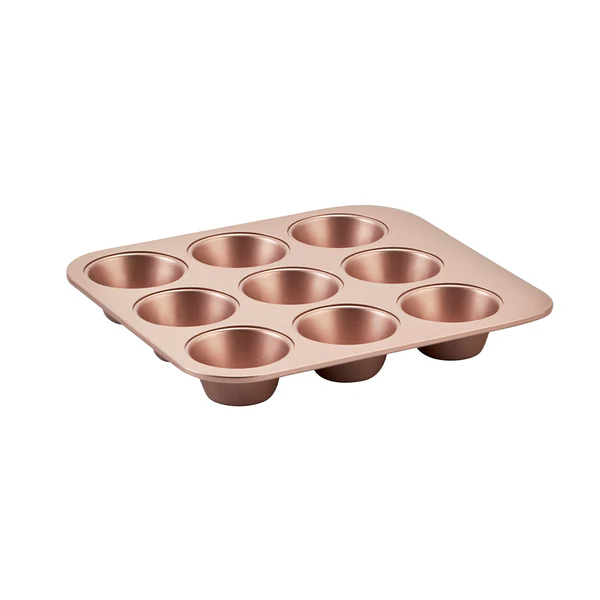
 Are you tired of unevenly baked muffins, pale crusts, or sticky situations in the kitchen? If so, it might be time to introduce a timeless classic into your bakeware collection: the Cast Iron Muffin Pan. This robust kitchen essential isn’t just for muffins; it’s a versatile tool that promises to revolutionize your baking, offering unparalleled durability, superior heat distribution, and a rustic charm that modern pans simply can’t replicate. Whether you’re a seasoned baker or just starting your culinary journey, understanding the nuances of this remarkable pan can elevate your creations from good to absolutely glorious.
The Enduring Legacy of Cast Iron in the Kitchen
Cast iron has a story as rich and enduring as the cookware itself. For centuries, this heavy-duty material has been the backbone of kitchens worldwide, celebrated for its ability to withstand high temperatures, retain heat remarkably well, and last for generations. From hearths to modern ovens, cast iron cookware, including the beloved cast iron muffin pan, has proven its worth, evolving slightly in design but never compromising on its core strengths. It’s a testament to simple, effective engineering that continues to deliver exceptional results.
Why a Cast Iron Muffin Pan Stands Above the Rest
What makes a cast iron muffin pan a must-have? It boils down to a few key advantages that directly impact the quality of your baked goods:
- Unrivaled Even Heat Distribution: Unlike lighter materials that can create hot spots, cast iron absorbs, retains, and radiates heat consistently across its entire surface. This means every muffin, cornbread, or individual quiche in your cast iron muffin pan bakes uniformly, ensuring no sad, undercooked centers or burnt edges. Your treats will achieve that coveted golden-brown crust and perfectly moist interior every time.
- Natural Non-Stick Surface (When Seasoned Right): The magic of cast iron lies in its seasoning – a polymerized layer of oil that creates a naturally slick, non-stick surface. With proper care and regular use, your cast iron muffin pan will develop a non-stick coating that improves with age, making for easy release of baked goods without chemical treatments.
- Durability and Longevity: A cast iron muffin pan is an investment for life, often passed down through families. It won’t warp, scratch, or wear out like many modern non-stick pans. Its sheer resilience means it can handle the rigors of daily baking and even outdoor cooking, becoming a more cherished tool with each use.
- Versatility in the Oven and Beyond: While designed for muffins, this pan is a culinary chameleon. Its ability to handle high heat makes it perfect for a range of recipes, from savory individual dishes to sweet desserts.
“The secret to a perfectly golden, evenly baked muffin lies not just in the recipe, but in the soul of your pan. A well-loved cast iron muffin pan is an extension of the baker’s hand, delivering results unmatched by modern alternatives,” shares Chef Antoine Dubois, a celebrated pastry chef known for his rustic baking techniques.
Cast Iron vs. Other Muffin Pan Materials
When selecting a muffin pan, the material makes a significant difference. Here’s how cast iron stacks up against common alternatives:
| Feature | Traditional Cast Iron Muffin Pan | Enameled Cast Iron Muffin Pan | Aluminum/Steel Muffin Pan | Silicone Muffin Pan |
|---|---|---|---|---|
| Heat Distribution | Excellent, even heat, develops crispy crusts. | Excellent, even heat, slightly less crust due to enamel. | Good, but can create hot spots; dark metals brown faster. | Poor, uneven heat, often results in pale, underbaked goods. |
| Non-Stick Property | Achieved through seasoning; improves with use. | Enamel coating provides a smooth, non-stick surface without seasoning. | Often has a non-stick coating that can degrade over time. | Inherently non-stick, but can be too flexible. |
| Durability | Extremely durable, lasts generations; resistant to warping. | Very durable, enamel can chip if dropped or misused. | Durable, but can warp at high temperatures or scratch. | Flexible, but can tear or degrade over time. |
| Maintenance | Requires seasoning, hand washing, thorough drying to prevent rust. | Easier to clean, often dishwasher safe (though hand washing is recommended). No seasoning. | Generally easy to clean; non-stick coatings require gentle cleaning. | Easy to clean, often dishwasher safe; can attract lint. |
| Weight | Heavy, which aids heat retention. | Heavy, but often slightly lighter than traditional raw cast iron due to design. | Lightweight. | Very lightweight and often floppy. |
| Best For | Achieving deep browning, crispy edges, rustic bakes. | Convenient cast iron benefits without seasoning, good for delicate bakes. | Everyday baking, quick heating. | Novelty shapes, easy release for delicate items (but often needs a baking sheet). |
Traditional cast iron excels in creating that desirable crispy exterior and moist interior, while enameled versions offer the heat benefits of cast iron with easier maintenance. Aluminum and steel are common, but can suffer from uneven heating, leading to inconsistent results. Silicone, while convenient for release, often falls short on browning and heat conduction.
Seasoning Your Cast Iron Muffin Pan for Perfect Baking
Seasoning is the cornerstone of caring for your traditional cast iron muffin pan, creating a natural, non-stick surface and protecting it from rust. If your pan isn’t pre-seasoned, or if it needs a refresh, here’s how to do it right:
- Clean Thoroughly: Wash your new or rusty pan with warm, soapy water and a stiff brush. Don’t worry, modern mild dish soap won’t strip established seasoning entirely, but for initial seasoning, you want a clean surface. For rust, you might need a tougher scrubber or even fine steel wool. Rinse well.
- Dry Completely: This is crucial! Place the pan in a 200°F (95°C) oven for 10-15 minutes, or on the stovetop over low heat, until every speck of moisture has evaporated.
- Apply a Thin Layer of Oil: Once dry and slightly warm, apply a very thin, even layer of high smoke point cooking oil (like grapeseed oil, flaxseed oil, or even Crisco) to all surfaces – inside and out, including the individual cups. Less is more here; you want a microscopic film, not a thick coat. Use a lint-free cloth or paper towel to wipe off any excess, making sure there are no visible drops or pooling.
- Bake It In: Preheat your oven to 450-500°F (230-260°C). Place aluminum foil on the bottom rack to catch any drips. Place your oiled cast iron muffin pan upside down on the middle rack. Bake for one hour.
- Cool Slowly: Turn off the oven and let the pan cool down completely inside the oven. This slow cooling helps the oil polymerize and bond with the iron, forming a durable seasoning layer.
Repeat this process several times for the best results, and remember that regular cooking, especially with fats, will continue to build and maintain your pan’s seasoning.
Mastering Your Cast Iron Muffin Pan: Tips for Success
Once your cast iron muffin pan is seasoned and ready, a few tricks can ensure every bake is a triumph:
Preheating and Batter Distribution
- Preheat the Pan: For that signature crispy crust and even rise, preheat your empty cast iron muffin pan in the oven before adding batter. You can even add a small dab of butter or oil to each cup before preheating to further enhance the non-stick quality and crust.
- Fill Evenly: Ensure each cup is filled with roughly the same amount of batter for uniform baking. Don’t overfill, as muffins need room to rise.
- Don’t Overmix: For light and fluffy muffins, mix your batter just until the dry ingredients are incorporated. Overmixing can lead to tough muffins, regardless of the pan.
Non-Stick Solutions (Beyond Seasoning)
Even with a well-seasoned pan, sometimes a little extra help goes a long way, especially for very sticky batters.
- Grease and Flour: Lightly grease each cup with butter or shortening, then dust with flour, tapping out the excess.
- Muffin Liners: Paper or silicone muffin liners are always an option for guaranteed easy release and minimal cleanup, although they might diminish the crispy exterior that cast iron is known for.
Beyond Muffins: Creative Culinary Uses for Your Cast Iron Pan
Your cast iron muffin pan is far more versatile than its name suggests. Unleash your creativity with these innovative ideas:
- Cornbread Mini Loaves/Muffins: Achieve perfectly crispy edges on individual cornbread portions.
- Egg Bites and Mini Quiches: Ideal for meal prep or a quick breakfast, these bake beautifully and release easily.
- Potato Roses: Thinly sliced potatoes arranged in a rose shape, baked until golden and crispy.
- Meatloaf Muffins: Portion-controlled meatloaves, perfect for family dinners.
- Individual Gratins or Cobblers: Bake savory or sweet single-serving casseroles and fruit desserts.
- Yorkshire Puddings or Popovers: The high heat retention of cast iron is excellent for achieving dramatic rise and crispiness.
- Biscuits and Scones: Create beautifully browned, individual biscuits or scones.
Care and Maintenance for a Lifetime of Baking
To keep your cast iron muffin pan in prime condition for generations, follow these essential care tips:
- Hand Wash Immediately: After each use, wash your pan by hand with warm, soapy water and a soft sponge or stiff brush. Avoid putting it in the dishwasher, as the harsh detergents can strip the seasoning and lead to rust.
- Tackle Stubborn Bits: For stuck-on food, let the pan soak in warm, soapy water for a few minutes. A baking soda paste or a mixture of hot water and baking soda (baked in the pan for 20 minutes at 350°F (175°C)) can help loosen stubborn residue. Use a pan scraper or even a wooden chopstick for tight corners.
- Dry Thoroughly and Immediately: Rust is cast iron’s enemy. After washing, dry the pan completely with a towel. For extra measure, you can place it on a stovetop over low heat for a few minutes to ensure all moisture has evaporated.
- Lightly Re-Oil: Once dry, apply a very thin layer of cooking oil to the pan’s interior and exterior before storing. This helps maintain the seasoning and protects against rust.
- Proper Storage: Store your cast iron muffin pan in a dry place. If stacking, place a paper towel or soft cloth between pans to prevent scratches and allow for air circulation.
Frequently Asked Questions About Cast Iron Muffin Pans
Q: Do enameled cast iron muffin pans require seasoning?
A: No, enameled cast iron muffin pans have a protective enamel coating that eliminates the need for seasoning. However, hand washing is still recommended to preserve the enamel’s integrity.
Q: How do I get food out of the small crevices of my cast iron muffin pan if it sticks?
A: For stubborn bits, try soaking the pan in warm, soapy water. A small, stiff-bristled brush, a wooden chopstick, or even a toothbrush can be effective for reaching into tight corners and crevices. A mix of baking soda and hot water baked in the pan can also help loosen residue.
Q: Can I use metal utensils with my cast iron muffin pan?
A: While raw cast iron is incredibly durable, it’s generally best to use wooden, silicone, or heat-resistant plastic utensils to avoid scratching the seasoned surface, which can lead to sticking and require re-seasoning.
Q: Is it okay to put my cast iron muffin pan in the dishwasher?
A: Absolutely not! Dishwashers use harsh detergents and high heat that will strip the pan’s seasoning and can lead to rust. Always hand wash your traditional cast iron muffin pan.
Q: My cast iron muffin pan has rusted. Can I still use it?
A: Yes! Rust on cast iron is usually superficial and can be removed. Scrub the rusty areas with a stiff brush or steel wool and warm, soapy water. Once clean and completely dry, re-season the pan multiple times to rebuild the protective layer.
The Enduring Appeal of the Cast Iron Muffin Pan
The cast iron muffin pan is more than just a piece of bakeware; it’s a bridge to traditional cooking, a commitment to quality, and an investment in countless delicious moments. Its ability to deliver perfectly baked goods with crispy edges and moist interiors, coupled with its incredible durability and versatility, makes it an indispensable tool for any home baker. Embrace the journey of seasoning and caring for your cast iron, and you’ll discover a joy in baking that only this classic material can provide. So, go ahead, try out new recipes, experiment with flavors, and share the warmth of your kitchen with perfectly crafted treats from your trusty cast iron muffin pan.