Stepping into the world of baking, you’re quickly faced with a dizzying array of tools and bakeware. Among them, the humble muffin pan holds a special place in many kitchens, a versatile workhorse for everything from breakfast muffins to savory egg bites. But if you’re looking for an option that combines style, performance, and peace of mind, the Ceramic Muffin Pan might just be your next kitchen MVP. This comprehensive guide will explore everything you need to know about these elegant baking essentials, helping you bake smarter, healthier, and with more joy.
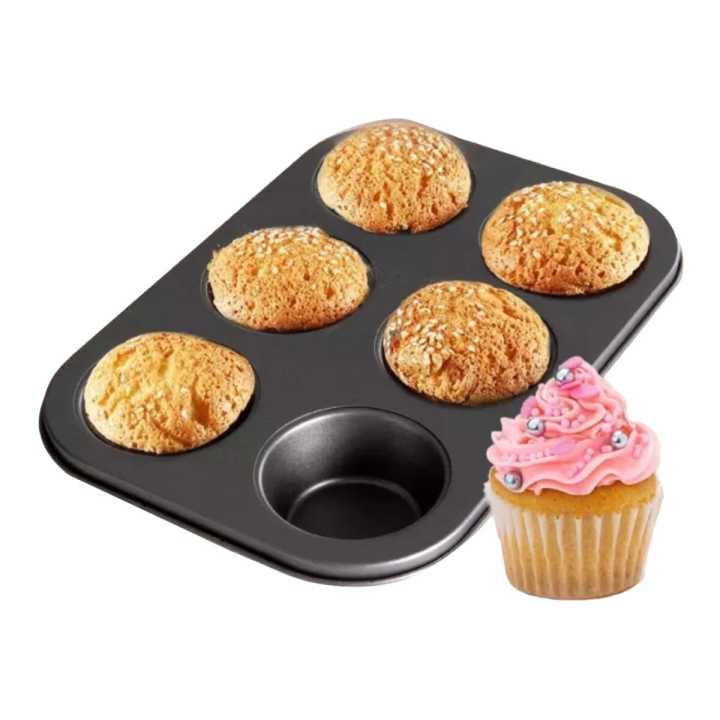
The Allure of Ceramic Muffin Pans: A Historical Perspective
Bakeware has come a long way from simple clay pots and cast-iron molds. Over centuries, materials evolved to offer better heat distribution, durability, and convenience. While metal pans dominated for decades, the modern culinary landscape increasingly emphasizes health and aesthetic appeal. This shift paved the way for the resurgence and refinement of ceramic bakeware. Ceramic, derived from natural clay and minerals, offers a clean, often non-toxic alternative, marrying age-old traditions with contemporary baking needs. A ceramic muffin pan is not just a tool; it’s a statement about mindful cooking and a return to wholesome methods.
Why Choose a Ceramic Muffin Pan? Unpacking the Benefits
When it comes to baking, the material of your pan plays a pivotal role in the final outcome. Ceramic muffin pans bring a unique set of advantages that make them a standout choice for discerning bakers.
Even Heat Distribution for Perfect Results
One of the most celebrated qualities of ceramic is its exceptional ability to distribute heat evenly. Unlike some metal pans that can create hot spots, a ceramic muffin pan ensures that every single muffin or cupcake in the tray bakes uniformly. This means golden-brown tops, perfectly cooked centers, and consistent texture across the entire batch. Say goodbye to muffins with burnt edges and raw middles – with ceramic, every bite is just right.
The Non-Toxic Advantage: Baking with Peace of Mind
For many home bakers, health and safety are paramount. Traditional non-stick coatings, while convenient, have raised concerns about certain chemicals like PFOA and PTFE. Pure ceramic, however, is a naturally non-toxic material, free from these harmful substances, as well as lead and cadmium. Even ceramic-coated pans often use healthier, mineral-based non-stick layers. This offers immense peace of mind, knowing that your delicious creations aren’t absorbing any undesirable chemicals during the baking process.
Effortless Release and Easy Cleanup
Who enjoys battling stubborn, stuck-on muffins? Ceramic muffin pans are renowned for their impressive non-stick properties, whether naturally slick or featuring a quality ceramic coating. This means your baked goods will often release cleanly and easily, preserving their shape and making cleanup a breeze. A quick wipe, and often, a gentle wash is all it takes to get your pan ready for its next adventure.
Beauty Meets Functionality: From Oven to Table
Let’s be honest, aesthetics matter in the kitchen. Ceramic muffin pans often boast beautiful designs and vibrant colors, making them a joy to use and display. Many are attractive enough to go directly from the oven to your dining table, serving your freshly baked treats in style. This seamless transition saves on extra dishes and adds a touch of elegance to any meal or gathering.
Navigating the Downsides: What to Consider Before Buying
While ceramic muffin pans offer numerous benefits, it’s important to be aware of their unique characteristics to ensure they’re the right fit for your baking style.
Handle with Care: The Fragility Factor
Unlike the sturdy resilience of cast iron or robust metal, ceramic is more susceptible to chipping or cracking if dropped or mishandled. Think of it like fine dinnerware – it requires a bit more gentleness. Rapid temperature changes (thermal shock) can also be a culprit, so always allow your ceramic pan to cool completely before washing it with cold water.
Browning Behavior: A Sweet Consideration
Ceramic conducts heat very well, much like glass, which can sometimes lead to more intense browning, especially with recipes high in sugar. While this can be fantastic for a crisp exterior, keep an eye on your baking times and temperatures, especially when adapting recipes, to prevent over-browning. Some bakers might find that certain very light-colored recipes achieve a darker crust than desired.
Ceramic vs. The Rest: A Comparative Look at Muffin Pan Materials
The world of muffin pans offers a variety of materials, each with its own fan base. Understanding how ceramic stacks up against its counterparts can help you make an informed decision.
Ceramic vs. Metal (Aluminum/Steel)
Metal pans, particularly aluminized steel, are a traditional choice known for good heat conduction and durability. They often produce nicely browned crusts. However, some metal pans require more diligent greasing, and concerns about reactive metals or certain non-stick coatings have led many to seek alternatives. Ceramic pans offer a non-toxic surface and often easier release, though they are more prone to breakage than heavy-duty metal.
Ceramic vs. Silicone
Silicone muffin pans are celebrated for their extreme flexibility, effortless release, and easy storage. They are virtually indestructible in terms of drops. However, silicone is a poor heat conductor, which can result in less browning and a softer crust, and sometimes a longer baking time. They also can be wobbly when filled with batter. Ceramic provides superior heat distribution for better browning and structure, making it a preferred choice for those who value a traditional muffin texture.
Ceramic vs. Cast Iron
Cast iron is the king of heat retention and durability, capable of lasting generations. It develops a natural non-stick surface with proper seasoning. However, cast iron is heavy, requires specific seasoning and drying to prevent rust, and heats slowly. Ceramic offers a lighter-weight alternative with quicker, even heating and often immediate non-stick properties, without the demanding maintenance routine of cast iron, though it sacrifices some of that legendary durability.
How to Choose Your Perfect Ceramic Muffin Pan
Selecting the ideal ceramic muffin pan involves understanding your needs and the nuances of the product.
Pure Ceramic vs. Ceramic-Coated: Understanding the Difference
It’s important to distinguish between pure ceramic pans and metal pans with a ceramic non-stick coating.
- Pure Ceramic: These pans are made entirely of ceramic material, offering the fullest non-toxic benefits and typically excellent heat retention. They are often heavier and more fragile.
- Ceramic-Coated: These typically feature a metal base (like aluminized steel) with a ceramic non-stick layer applied. They combine the durability and heat conduction of metal with the non-stick and non-toxic advantages of ceramic. Many popular ceramic muffin pans fall into this category, offering a good balance of features.
Size and Capacity: Matching Your Baking Needs
Muffin pans come in various sizes, from standard 12-cup versions to mini muffin trays and even jumbo sizes. Consider how often you bake, the number of servings you typically need, and the types of recipes you enjoy. A standard 12-cup pan is generally the most versatile for everyday baking.
Brand Reputation and Reviews
Look for reputable brands known for quality bakeware. Brands like GreenLife, CasaWare, Caraway, and Great Jones are often mentioned in reviews for their ceramic muffin pan offerings. Reading reviews can provide insights into real-world performance, durability, and ease of cleaning.
Mastering Your Ceramic Muffin Pan: Tips for Optimal Use and Longevity
To get the most out of your ceramic muffin pan, a few simple tips can make all the difference, ensuring consistently delicious results and extending its lifespan.
Prepping for Perfection: To Grease or Not to Grease?
Many ceramic muffin pans boast excellent non-stick properties, meaning you might not need to grease them at all, or perhaps just a very light coating. In some cases, using cooking spray on an already non-stick ceramic surface can actually lead to a darker, slicker muffin bottom or leave a residue that’s hard to clean. Always check the manufacturer’s recommendations. If you’re unsure or prefer extra security, a light brush of butter or oil into each cup is usually sufficient.
Achieving Consistent Bakes
Ceramic’s even heat distribution is a superpower, but you can enhance it further. For best results, preheat your oven thoroughly. Avoid opening the oven door too frequently, as this can cause temperature fluctuations that impact rising and browning. If your recipe calls for it, rotating the pan halfway through baking can further ensure uniform results, though it’s often less critical with ceramic.
Beyond Muffins: Creative Uses for Your Pan
Don’t let the name “muffin pan” limit your culinary imagination! This versatile tool can be used for a plethora of creative dishes:
- Savory Bites: Mini quiches, egg cups, meatloaf muffins, cornbread bites.
- Sweet Treats: Cupcakes, mini cheesecakes, individual fruit crisps, brownie bites.
- Meal Prep: Portioned frozen smoothie packs, homemade peanut butter cups.
- Organizing: Use it to hold ingredients for cooking, or even small craft supplies!
Caring for Your Ceramic Treasure: Cleaning and Maintenance
Proper care is key to maintaining the beauty and performance of your ceramic muffin pan for years to come.
The Golden Rule: Gentle Cleaning for Lasting Shine
While some ceramic pans are labeled “dishwasher safe,” hand washing is generally recommended to preserve the non-stick coating and prevent potential damage from harsh dishwasher detergents or forceful jets. Always allow your pan to cool completely before washing to avoid thermal shock, which can lead to cracks or warping. Use warm, soapy water and a soft sponge or cloth. Avoid abrasive scrubbers or steel wool, which can scratch the ceramic surface.
Tackling Stubborn Stains: Baking Soda and Vinegar Hacks
Even with the best care, sometimes stubborn baked-on food or discoloration can occur. Fear not, natural cleaning agents are your best friends:
- Baking Soda Paste: For stuck-on bits, mix baking soda with a small amount of water to form a paste. Apply it to the affected areas and let it sit for 15-30 minutes (or longer for tough stains) before gently scrubbing with a non-abrasive sponge and rinsing.
- Baking Soda Soak/Bake: For a more comprehensive clean, especially for burnt-on residue, mix 2 tablespoons of baking soda into a quart of warm water. Pour this mixture into each muffin cup (filling about 2/3 full) and bake in a 350°F (177°C) oven for 8-20 minutes. Let cool, then scrub and rinse. The steam and baking soda work wonders to loosen grime.
- Vinegar Boost: For extra stubborn spots or discoloration, a splash of white vinegar added to the baking soda paste can create a fizzing action to help lift residue. You can also soak the pan overnight in a mixture of water and vinegar (2 cups water to 1/2 cup vinegar) for tough stains.
Frequently Asked Questions About Ceramic Muffin Pans
Curious minds often have similar questions about ceramic muffin pans. Here are some quick answers to common inquiries:
Are ceramic muffin pans truly non-stick?
Yes, most ceramic muffin pans, especially those with a ceramic non-stick coating, offer excellent food release. Pure ceramic can also be naturally non-stick, particularly when properly conditioned.
Can I put my ceramic muffin pan in the dishwasher?
While some manufacturers claim dishwasher safety, hand washing with warm, soapy water and a soft sponge is generally recommended to prolong the life of your pan and its non-stick properties.
Are ceramic muffin pans oven-safe at high temperatures?
Yes, ceramic muffin pans are designed for oven use. Most ceramic-coated pans can withstand temperatures up to 450°F (232°C) or higher. Always check the specific manufacturer’s instructions for maximum temperature ratings.
Do ceramic muffin pans brown baked goods differently?
Ceramic conducts heat very well, similar to glass, which can lead to more consistent and sometimes deeper browning, especially on the bottoms and edges of baked goods. This can be a benefit for crispier textures, but keep an eye on recipes with high sugar content to prevent over-browning.
What are some common mistakes to avoid with ceramic muffin pans?
Avoid using metal utensils that can scratch the surface, harsh abrasive cleaners, and extreme temperature changes (like plunging a hot pan into cold water). Also, be mindful of dropping the pan, as ceramic can chip or crack more easily than metal.
Unleash Your Inner Baker with Ceramic Muffin Pans
From their elegant appearance to their non-toxic, evenly-heating performance, ceramic muffin pans offer a compelling upgrade for any kitchen. They empower you to bake delicious, perfectly formed treats with confidence, and enjoy an easier cleanup process. Whether you’re a seasoned pro or just beginning your baking journey, investing in a quality ceramic muffin pan can elevate your experience, bringing both health and joy to your culinary creations. So go ahead, embrace the ceramic revolution, and discover the delightful difference for yourself!