Life moves fast, and sometimes, you just need a delicious muffin or a perfectly portioned egg bite without waiting for the oven to preheat. Enter the Microwave Muffin Pan – a game-changer for anyone seeking speed, convenience, and versatility in the kitchen. If you’ve ever wondered about whipping up warm, fluffy treats or savory snacks in mere minutes, you’re in the right place. These innovative pans, predominantly made from food-grade silicone, are designed to make your baking and cooking experience quicker, easier, and much more fun.
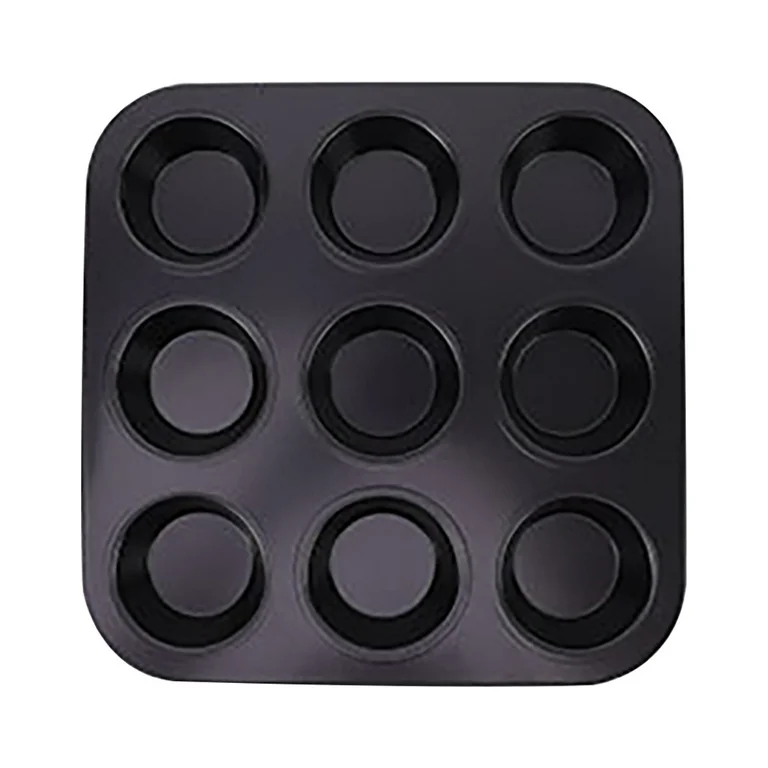
What Exactly is a Microwave Muffin Pan?
At its heart, a microwave muffin pan is a specialized piece of bakeware engineered to safely and effectively cook food in a microwave oven. Unlike traditional metal muffin tins, which are strictly off-limits in the microwave due to sparking and potential damage, microwave muffin pans are crafted from materials that interact harmoniously with microwave energy. This almost exclusively means food-grade silicone. This flexible, non-stick material allows microwave energy to pass through efficiently, heating your batter evenly and quickly without any metallic interference. Think of it as a modern solution to a classic craving, perfectly adapted for today’s fast-paced kitchens.
Why Choose a Microwave Muffin Pan?
The appeal of a microwave muffin pan goes beyond just making muffins in a flash. It’s about embracing a new level of culinary ease.
Speed and Convenience
Imagine craving a warm, fresh muffin for breakfast, or needing a quick, healthy snack for the kids. With a microwave muffin pan, you can often go from mixing batter to enjoying a treat in mere minutes – sometimes as little as 60-90 seconds per muffin, depending on your microwave’s power. This rapid cooking time is a lifesaver on busy mornings or when unexpected guests arrive.
Versatility Beyond Muffins
Don’t let the name fool you; these pans are culinary chameleons. While excellent for muffins and cupcakes, they excel at a myriad of other quick bites. From savory egg bites and mini frittatas to single-serving brownies, mug cakes, and even frozen meal prep portions, their utility is vast. They can even be used for melting butter or chocolate in small, controlled amounts.
Effortless Cleanup
One of the most beloved features of silicone bakeware is its natural non-stick surface. This means your creations pop out with ease, often without the need for greasing. Cleanup becomes a breeze, as food rarely sticks, and most silicone microwave muffin pans are completely dishwasher safe. Say goodbye to scrubbing stubborn baked-on remnants!
Healthier Options
Because silicone is inherently non-stick, you can often reduce or even eliminate the need for extra fats like butter or oil when baking. This makes your microwave-made treats a slightly healthier alternative, allowing you to enjoy your favorites with less guilt.
Types of Microwave Muffin Pans
When it comes to microwave muffin pans, the material is key, and silicone reigns supreme.
Silicone Muffin Pans
These are the standard. Made from flexible, food-grade silicone, they are designed to withstand a wide range of temperatures, typically from freezer cold to oven hot (up to 400-428°F or 205-220°C), making them incredibly versatile.
- Standard Flexible Silicone: These pans are entirely silicone and are highly flexible, allowing for easy “push-from-the-bottom” release. Their flexibility also means they can be rolled up and stored in small spaces, which is a huge bonus in compact kitchens. However, their floppiness can sometimes make them tricky to transport when full of batter, so placing them on a baking sheet before filling and moving is a smart trick.
- Silicone with a Reinforced Metal Frame: Many modern designs incorporate a metal frame (encased in silicone) around the edges of the pan. This ingenious addition provides rigidity and stability, making it much easier to carry a full pan from counter to microwave or oven without spills, while still retaining the non-stick and flexible benefits of silicone cavities. This design combines the best of both worlds.
It’s important to note that you should never use traditional metal muffin pans in the microwave. The metal will reflect the microwaves, potentially damaging your appliance and posing a fire hazard. Ceramic and glass are generally microwave safe, but their heat distribution isn’t always ideal for quick muffin baking, and they lack the non-stick and flexible benefits of silicone.
Choosing the Right Microwave Muffin Pan
Selecting the perfect pan depends on your needs. Here’s what to look for:
- Material Quality: Always opt for pans made from 100% food-grade, BPA-free silicone. This ensures safety and durability, guaranteeing no harmful chemicals leach into your food.
- Size and Cavity Count: Do you need a few individual muffins or a larger batch? Pans come in various sizes, from 4-cavity options for small households to 12-cavity pans for bigger baking projects. Consider the size of your microwave before purchasing larger pans.
- Reinforced Frame: If stability is a concern, a silicone pan with a reinforced metal frame is an excellent choice. It makes handling a full pan much easier and safer.
- Heat Resistance: While all food-grade silicone is heat-resistant, double-checking the maximum temperature rating is good practice, especially if you plan to use it in a conventional oven as well.
- Reviews and Brand Reputation: Look for reputable brands and positive reviews to ensure you’re getting a high-quality product that performs as expected.
Tips for Using Your Microwave Muffin Pan Effectively
Getting the most out of your microwave muffin pan is straightforward, but a few pointers can elevate your experience:
- Greasing (Optional but Recommended): While silicone is non-stick, a light spray of cooking oil or a quick wipe with butter can further enhance easy release and ensure a perfect finish, especially for delicate recipes.
- Filling the Cavities: Fill muffin cavities about two-thirds full to allow for proper rising. Overfilling can lead to overflow and uneven cooking.
- Power and Timing are Key: Microwave ovens vary greatly in wattage. Start with shorter cooking times (e.g., 60-90 seconds per muffin) and increase in 15-30 second increments until cooked through. A toothpick inserted into the center should come out clean. Don’t be afraid to experiment to find your microwave’s sweet spot.
- Allow to Cool (Briefly): While silicone cools quickly, letting your muffins or egg bites rest in the pan for a minute or two after microwaving can make them even easier to release and handle.
- Cleaning and Care: Most silicone pans are dishwasher safe. For handwashing, warm soapy water and a soft sponge are usually all you need. Avoid abrasive scrubbers that could potentially damage the silicone over time.
Beyond Muffins: Creative Microwave Muffin Pan Recipes
Unlock the full potential of your microwave muffin pan with these inspiring ideas:
- Egg Bites / Mini Frittatas: Whisk eggs with your favorite fillings (cheese, spinach, diced ham, bell peppers), pour into the cavities, and microwave for a protein-packed breakfast or snack.
- Single-Serving Desserts: Craving a quick brownie or a mini cake? Mix up a small batch of batter, microwave, and enjoy a warm dessert in minutes.
- Mini Quiches: Use store-bought pie crust or make a simple crust, line the cavities, fill with a savory egg mixture, and microwave for delightful appetizers or a light lunch.
- Frozen Meal Prep Portions: Freeze individual servings of soup, broth, sauces, or even baby food in the cavities. Once frozen solid, pop them out and store them in freezer bags for convenient, pre-portioned meals.
- Chocolate Melts: Perfect for melting small amounts of chocolate for decorating or dipping without using a double boiler.
The Evolution of the Muffin Pan: From Cast Iron to Silicone
The journey of the muffin pan reflects centuries of culinary innovation. Early versions were often made of cast iron, heavy and requiring significant greasing and seasoning. As baking became more accessible, lighter metals like aluminum and non-stick coated steel became popular, making the traditional oven-baked muffin a household staple. However, the advent of the microwave oven presented a new challenge: how to quickly bake individual portions without metal. This led to the ingenious adoption of silicone. Initially used for specialized molds, silicone’s non-reactive, heat-resistant, and flexible properties made it the ideal candidate for a new era of microwave-safe bakeware, transforming how we approach quick baking and meal preparation. This evolution truly makes the microwave muffin pan a modern marvel.
“Silicone bakeware has revolutionized kitchen efficiency,” says culinary expert Anya Sharma. “Its non-stick properties combined with microwave safety mean you can drastically cut down on cooking and cleanup time, freeing you up to enjoy your creations or spend more time with loved ones.”
Frequently Asked Questions (FAQ)
Can I use a regular metal muffin pan in the microwave?
Absolutely not. Placing a metal muffin pan in the microwave can cause sparks, potentially damage your appliance, and even lead to a fire. Always use bakeware specifically designed as microwave-safe, such as silicone pans.
How long does it take to cook muffins in a microwave muffin pan?
Cooking times vary significantly based on your microwave’s wattage and the size of your muffins. As a general guide, individual muffins might cook in 60-90 seconds. It’s best to start with a short duration and add time in small increments until a toothpick inserted comes out clean.
Are all silicone muffin pans microwave safe?
Virtually all food-grade silicone muffin pans are microwave safe due to the material’s properties. However, it’s always a good idea to check the manufacturer’s instructions to confirm heat ratings and recommended uses.
How do I clean my silicone microwave muffin pan?
Silicone microwave muffin pans are remarkably easy to clean. Most are dishwasher safe. For handwashing, simply use warm water and dish soap, wiping away any residue with a soft sponge. Their non-stick surface typically prevents food from clinging.
What are egg bites, and how do I make them in a microwave muffin pan?
Egg bites are small, protein-rich, often cheese-and-vegetable-filled egg portions, similar to a mini frittata or quiche. To make them, whisk eggs with your desired fillings, pour the mixture into the cavities of your silicone microwave muffin pan, and microwave until set (typically a few minutes). They are perfect for quick breakfasts or meal prepping.
Conclusion
The microwave muffin pan is far more than a novelty; it’s a testament to how intelligent design can meet modern demands for efficiency and versatility. From lightning-fast breakfasts to creative meal prep and delightful single-serving desserts, these silicone wonders simplify your time in the kitchen. If you’re looking to add a truly multi-functional and easy-to-use tool to your culinary arsenal, a microwave muffin pan is an investment you won’t regret. So go ahead, experiment, explore, and let your microwave muffin pan open up a world of quick, delicious possibilities!