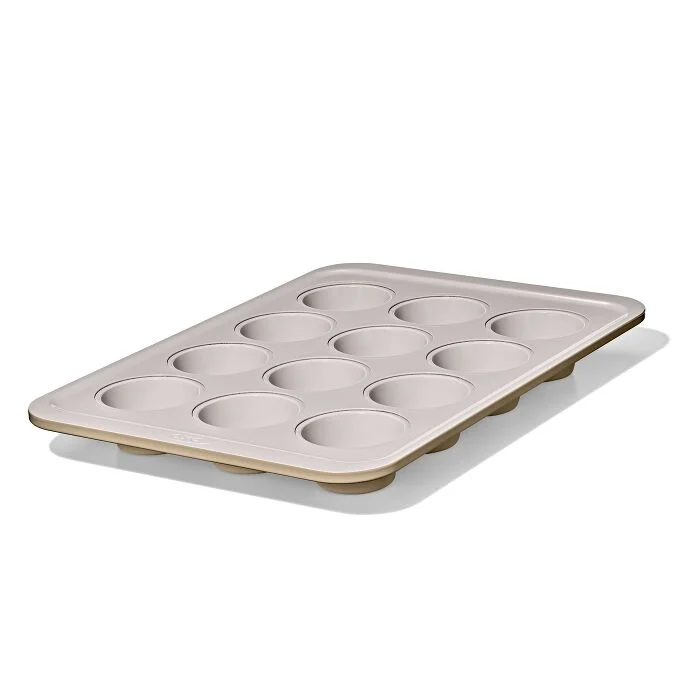
Stepping into the kitchen and embracing the world of miniature baking opens up a realm of delightful possibilities, and at the heart of it all lies the humble yet incredibly versatile Mini Muffin Pan. Far more than just a tool for shrinking your favorite muffins, this essential piece of bakeware transforms everyday ingredients into charming, bite-sized delights perfect for any occasion. Whether you’re a seasoned baker or just starting your culinary journey, a quality mini muffin pan is a game-changer, promising convenience, portion control, and endless creative freedom.
The Humble Beginnings: A Brief History of the Muffin Pan
The story of the muffin pan, and by extension, the mini muffin pan, is rooted in ingenuity and evolving culinary practices. Its modern form can be traced back to the 19th century with the invention of the “gem pan,” a cast iron mold patented by Nathaniel Waterman of Boston, Massachusetts, in 1859. These early pans were designed to bake small, dense quick breads known as “gems,” typically made with whole wheat Graham flour. These innovative pans featured individual cups, often 7 to 12, connected to allow for even heat circulation in wood-fired ovens, marking a significant step towards standardized bakeware.
As baking technology progressed with the advent of gas and electric ovens in the early 20th century, the “muffin tin” became a kitchen staple. It gained widespread popularity for baking American-style quick breads and, later, cupcakes. The concept of “mini” versions of these pans emerged, with mini muffin pans enjoying particular popularity in the 1930s, offering a charming way to serve smaller portions. While the English muffin, a yeast-based griddle cake, predates its American cake-like counterpart, it was the individual cup design that truly revolutionized the baking of leavened delights, paving the way for the beloved mini muffin pan we know today.
Why Go Mini? The Irresistible Benefits of a Mini Muffin Pan
The appeal of the mini muffin pan extends far beyond its cute aesthetics. It offers a host of practical advantages that make it an indispensable tool for any home cook or baker.
- Perfect Portion Control: In an age where mindful eating is key, mini muffin pans are ideal for creating perfectly portioned snacks and treats. This built-in control can help manage calorie intake without sacrificing flavor or enjoyment.
- Entertaining Made Easy: Hosting a party or gathering? Bite-sized appetizers and desserts are always a hit. A mini muffin pan allows you to produce a large quantity of varied delights, making your spread impressive and easy for guests to enjoy. Imagine a dessert buffet where everyone can sample multiple treats!
- Kid-Friendly Creations: Children often gravitate towards smaller, manageable foods. Mini muffins, egg bites, or even tiny quiches become more appealing, encouraging kids to try new foods and participate in meal prep.
- Faster Baking Times: Due to their smaller size, creations baked in a mini muffin pan cook much faster than their standard counterparts, saving you precious time in the kitchen. This is a huge bonus for busy weeknights or when you need a quick treat.
- Maximum Yield: With the same amount of batter for a dozen regular muffins, you can often produce 24 or more mini muffins, meaning more to share or to enjoy throughout the week.
- Versatility Beyond Belief: Don’t let the name fool you – a mini muffin pan is a true multitasker, capable of far more than just muffins. Its individual cups are perfect for an astonishing array of sweet and savory dishes, even non-food uses.
“A mini muffin pan isn’t just about making smaller portions; it’s about unlocking a world of creative possibilities, from elegant appetizers to delightful desserts, all in a charming, bite-sized package,” says Chef Anya Sharma, a renowned pastry chef and culinary educator.
Finding Your Perfect Match: How to Choose the Best Mini Muffin Pan
Selecting the right mini muffin pan can significantly impact your baking success and enjoyment. Consider these factors when making your choice:
Materials
Mini muffin pans are primarily available in a few key materials, each with its own characteristics:
- Metal (Aluminized Steel, Carbon Steel, Stainless Steel, Aluminum): These are the most common and often preferred for even heat conduction and consistent browning. Aluminized steel, a blend of aluminum and steel, is particularly praised for its durability and warp resistance. Darker metal pans tend to heat faster and brown foods more deeply, while lighter-colored pans can result in a more even, golden-brown finish.
- Silicone: Silicone pans offer flexibility, making it incredibly easy to pop out your baked goods. They are often dishwasher-safe and can be used in the oven, freezer, and microwave. However, silicone is an insulator, so foods baked in these pans may take longer to cook and might brown less evenly. Some silicone pans include an embedded steel rim to provide stability.
Non-Stick Coatings
Most metal mini muffin pans come with a non-stick coating, such as Teflon, ceramic, or silicone-infused surfaces. A good non-stick coating is crucial for easy release and effortless cleaning. While some non-stick pans are dishwasher safe, hand-washing is often recommended to preserve the coating’s life and performance.
Design Matters
Beyond material, subtle design features can make a big difference:
- Cup Shape and Size: Mini muffin cups typically measure around 1-inch in diameter or about 2 fluid ounces in capacity. Pans with narrower, taller cups tend to produce more well-shaped, domed muffins, which are often more appealing than flat, sad-looking ones from low, wide cups.
- Pan Rim and Handles: Look for a mini muffin pan with a wide, broad rim. This provides ample space to grip the pan securely with oven mitts, preventing accidental thumb-dips into your batter or burns when transferring it to and from the oven. Corrugated surfaces can also enhance airflow and add durability.
- Number of Cavities: Mini muffin pans commonly feature 24 cups, allowing you to bake a substantial batch at once. However, you can also find variations with 6, 12, or even 48 cups, depending on your typical baking volume.
- Sealed Crevices: For easier cleaning and to prevent rust, especially with metal pans, check that the crevices between the cups and the pan’s platform are tightly sealed, preventing moisture and food bits from getting trapped.
Mastering the Mini: Essential Tips for Using Your Mini Muffin Pan
Getting the most out of your mini muffin pan involves a few simple techniques that ensure perfect results every time.
Preparation: Greasing vs. Liners
For most mini muffin recipes, proper pan preparation is key to preventing sticking.
- Greasing: A thorough greasing with baking spray, butter, or shortening is often the most effective method for mini muffins, particularly for recipes without liners. Many bakers find non-stick spray superior to hand-applied butter or oil for ensuring easy release.
- Liners: While mini cupcake liners are adorable, they can sometimes stick to mini muffins. If using liners, ensure your pan is still lightly greased underneath to help with release, or opt for high-quality, non-stick liners. Reusable silicone baking cups are another excellent, waste-free option, which can often be used directly on a baking sheet without a pan.
Filling: The Right Amount of Batter
Consistency is important for evenly sized mini muffins. A good rule of thumb is to fill each cup about two-thirds full, typically 1 to 1.5 tablespoons of batter. Using a small cookie scoop or a measuring spoon can help ensure uniform portions.
Baking: Temperature and Time Adjustments
Mini muffins bake significantly faster than standard ones. While you generally use the same oven temperature as a regular muffin recipe, the baking time needs to be adjusted down. Most mini muffins will be ready in 8 to 12 minutes. Keep a close eye on them to prevent overbaking, which can lead to dry results.
Demolding & Cooling: Ensuring Perfect Release
Once baked, allow your mini muffins to cool in the pan for a few minutes before transferring them to a wire rack to cool completely. This brief resting period helps them set and makes them easier to remove without breaking. For particularly sticky bakes, gently run a thin knife around the edges of each cup.
Cleaning: Best Practices for Longevity
For non-stick metal pans, hand-washing with warm, soapy water is usually recommended to preserve the non-stick coating. Avoid abrasive scrubbers or sharp utensils that could scratch the surface. For silicone pans, a quick rinse or a run through the dishwasher typically does the trick. Always ensure pans are completely dry before storing to prevent rust, especially in any crevices.
Beyond Muffins: Creative Culinary Adventures with Your Mini Muffin Pan
The true magic of a mini muffin pan lies in its versatility. It’s a foundational tool for expanding your culinary repertoire far beyond traditional baked goods.
Sweet Sensations
Unleash your inner pastry chef with these miniature delights:
- Mini Cheesecakes: From classic New York style to pumpkin or chocolate chip variations, individual cheesecakes are elegant and perfectly portioned.
- Cookie Cups: Bake refrigerated cookie dough in the pan, then gently press down the centers after baking to create cups. Fill them with ice cream, fruit, or ganache for a delightful dessert.
- Fudge Bites & Candy Cups: Homemade peanut butter cups or rich Kahlua fudge cakes are effortlessly made and served in mini form.
- Tiny Tarts & Pies: Mini apple pies, pecan tassies, or fruit tarts with a shortbread crust are charming and easy to serve.
- Lemon Pound Cakes: Bake small, zesty lemon pound cakes for a bright, refreshing treat.
Savory Delights
Your mini muffin pan is also a champion for savory snacks and meals:
- Breakfast Egg Bites & Quiches: Prepare protein-packed egg cups with cheese, veggies, or ham for grab-and-go breakfasts or brunch buffets. Mini quiches are equally simple and impressive.
- Mini Meatloaves & Corn Dogs: Bake individual meatloaves, perfect for meal prepping, or create fun, kid-friendly corn dog muffins.
- Pizza Bites & Lasagna Cups: Transform classic comfort foods into bite-sized versions. Mini pizza cups or individual lasagna cups are fantastic appetizers or snacks.
- Tortilla Bowls & Cheese Cups: Flip the pan over, bake tortillas between the cups for edible taco bowls, or melt shredded cheddar cheese on a baking sheet and press over inverted cups for crispy, low-carb cheese bowls.
Unexpected Uses
Think outside the oven!
- Freezing Portions: Freeze individual portions of soup, smoothies, yogurt, or even oversized ice cubes that melt slowly.
- Condiment & Snack Tray: Use the cups to hold an array of condiments for a barbecue or different snacks for a movie night, making serving easy and neat.
Mini Muffin Pan FAQs
Q: Can I use a regular muffin recipe in a mini muffin pan?
A: Absolutely! Most regular muffin and cupcake recipes can be adapted for a mini muffin pan. The key adjustment is the baking time, which will be significantly shorter. Start checking for doneness after 8-10 minutes.
Q: Do I need to use liners for mini muffins?
A: It depends on your preference and the pan. While liners can be used, many bakers find that a good non-stick spray or proper greasing of the pan works better for mini muffins, as liners can sometimes stick to the smaller baked goods. Reusable silicone liners are an eco-friendly alternative.
Q: How do I prevent mini muffins from sticking?
A: The best methods are thoroughly greasing the pan with baking spray, butter, or shortening, or using a high-quality non-stick pan. Allowing them to cool in the pan for a few minutes before attempting to remove them also aids in release.
Q: What’s the best material for a mini muffin pan?
A: Non-stick metal pans, particularly those made from aluminized steel or carbon steel, are often recommended for their durability, even heat distribution, and ease of release. Silicone pans offer flexibility and can be good for certain applications, but may require longer baking times and result in less browning.
Q: How much batter goes into a mini muffin cup?
A: Generally, fill each mini muffin cup about two-thirds full. This usually equates to approximately 1 to 1.5 tablespoons of batter per cup. Consistent filling helps ensure all your mini muffins bake evenly.
Conclusion
The mini muffin pan is a powerhouse of potential, a modest piece of bakeware that unlocks a world of culinary creativity. From its humble beginnings as a “gem pan” to its current status as a versatile kitchen essential, it continues to inspire bakers to create charming, bite-sized delights. Whether you’re whipping up a batch of festive treats for a gathering, preparing healthy snacks for the week, or simply exploring new recipes, your mini muffin pan is ready to transform your kitchen endeavors. Embrace its convenience, experiment with its endless possibilities, and enjoy the delicious results that prove great things truly do come in small packages.