Ever found yourself in the kitchen, craving those perfectly golden, fluffy muffins, only to realize you need the right tool for the job? That’s where a quality Muffin Baking Pan comes in, a true unsung hero of the kitchen that goes far beyond just baking delicious muffins. This versatile piece of bakeware is an indispensable item for any home cook or avid baker, ensuring everything from breakfast treats to savory mini-meals comes out just right.
The Enduring History of the Muffin Pan
The concept of baking individual portions of food has a rich history, evolving significantly over time. The modern muffin baking pan traces its roots back to the 19th-century “gem pan,” a cast iron mold patented in 1859 by Nathaniel Waterman of Boston, Massachusetts. These early pans were designed for baking small, dense quick breads known as “gems,” typically made with whole wheat Graham flour. These cast iron molds were effective at distributing heat evenly in the wood-fired ovens of the era and marked a step towards standardized bakeware.
As baking technology advanced with the advent of gas and electric ovens in the early 20th century, muffin tins became more common, not just for quick breads but also for cupcakes, which gained popularity around the 1910s. The introduction of non-stick coatings by the mid-20th century further revolutionized baking, making muffin pans more accessible and easier to use for every home cook. From simple cast iron to the advanced materials we see today, the muffin baking pan has continuously adapted to make our baking lives easier and more delicious.
Exploring the World of Muffin Baking Pans
Choosing a muffin baking pan today means navigating a variety of materials, each with unique characteristics that affect your baking results.
Metal Muffin Pans
Metal pans are the workhorses of the baking world, often preferred by professional bakers for their superior heat conduction.
- Non-Stick Metal: Many modern metal pans, typically made from aluminized steel or carbon steel, feature a non-stick coating (often silicone or ceramic-based). This coating ensures easy release of baked goods and simplifies cleanup. Lighter-colored non-stick pans often yield more even browning than darker ones, which can cause deeper browning and drier crusts.
- Aluminized Steel: This material combines the excellent heat conductivity of aluminum with the strength of steel, providing even heat distribution and resistance to warping.
- Stainless Steel: Durable and non-reactive, stainless steel pans are a solid choice, though they may not conduct heat as evenly as aluminum.
Silicone Muffin Pans
Silicone pans have gained popularity for their flexibility and naturally non-stick properties. Muffins and cupcakes tend to pop out effortlessly from silicone molds, making cleanup a breeze. However, silicone is a poorer heat conductor compared to metal, meaning baked goods might take slightly longer to bake and achieve less browning. Many silicone pans benefit from being placed on a metal baking sheet for added stability in the oven.
Ceramic Muffin Pans
Ceramic pans are often chosen for their aesthetic appeal and ability to retain heat well. They are a stylish, non-toxic option that can go from oven to table. While durable, they do require careful handling to prevent chipping or breakage.
Choosing the Perfect Muffin Baking Pan for Your Kitchen
With so many options, how do you pick the right muffin baking pan for your needs? Here are key features to consider:
Material Matters
Your choice of material significantly impacts your baking. For consistent browning and a good rise, metal pans with a non-stick coating are often recommended. If easy release and cleaning are your top priorities, and you don’t mind slightly less browning, silicone can be a great option. For those prioritizing non-toxic materials and stylish presentation, ceramic pans are an excellent choice.
Size and Capacity
Muffin pans come in various sizes:
- Standard (12-cup): The most common size, with each cup typically holding around 100 milliliters (about 1/3 cup) of batter. Most recipes are designed for this size.
- Mini (24-cup or more): Ideal for bite-sized treats or when you need a larger batch for parties.
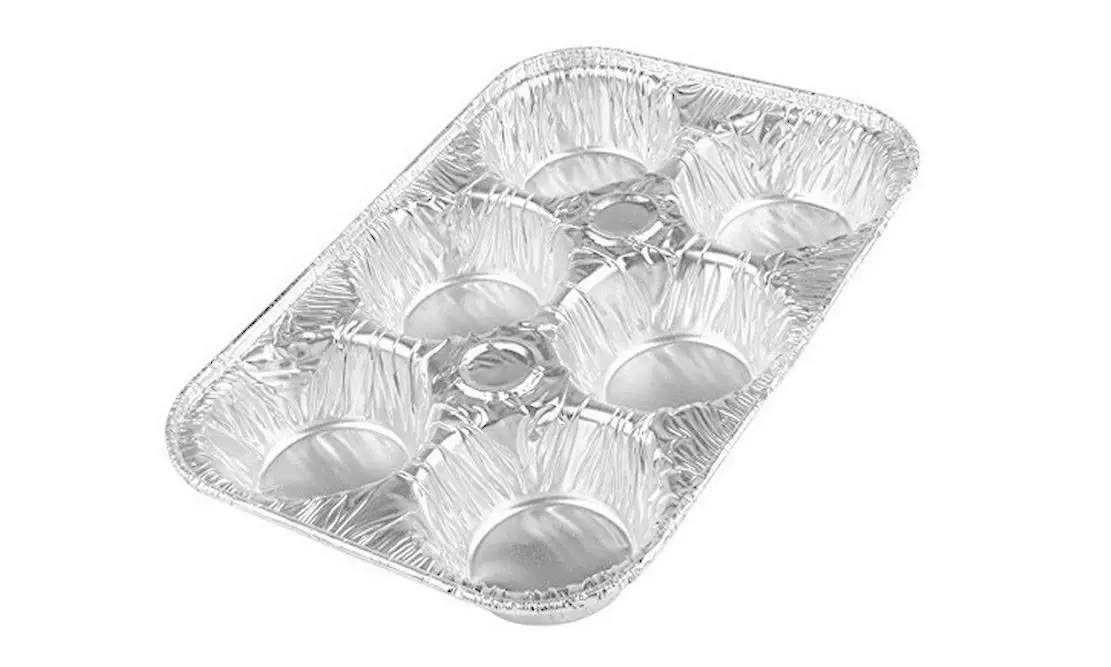
- Jumbo (6-cup): Perfect for those bakery-style, generously sized muffins.
Consider the types of recipes you make most often and how many servings you typically need.
Non-Stick Coating
A good non-stick coating is crucial for easy release and effortless cleanup. While non-stick pans are incredibly convenient, always use non-stick safe utensils to prevent scratching the coating, and hand-washing is often recommended to prolong their life.
Durability and Handles
Look for a pan with heavy-gauge construction that resists warping and feels sturdy. Wide, textured handles are a thoughtful design feature, making it easier to grip the hot pan when wearing oven mitts and preventing accidental thumb-dips into your precious muffins.
Ease of Cleaning
Most non-stick and silicone pans are often advertised as dishwasher safe, but hand-washing in warm, soapy water is generally recommended to preserve the coating and extend the pan’s lifespan. Stubborn bits can often be removed with a short soak.
Mastering Your Muffin Baking Pan: Essential Tips for Success
Even with the perfect muffin baking pan, a few tips can make all the difference in achieving baking perfection.
Pan Preparation is Key
Whether you use paper liners or not, properly preparing your pan is vital to prevent sticking. A light coating of non-stick vegetable spray or butter rubbed into each cavity, followed by a dusting of flour for metal pans, creates a protective barrier. If using silicone, a quick spray of non-stick oil is usually sufficient.
Filling the Cups
Most recipes recommend filling each muffin cup between two-thirds and three-quarters full. For consistently sized muffins, consider using a gravy ladle, ice cream scoop, or measuring cup to portion your batter evenly. “Evenly filled cups ensure that all your muffins bake at the same rate, giving you that beautiful, uniform rise,” advises Chef Oliver Reed, a culinary instructor with decades of baking experience.
Baking Techniques
- Preheat Thoroughly: Muffins typically require a hot oven, often between 375°F and 425°F.
- Air Circulation: If baking multiple pans, ensure enough space around each pan for heat to circulate. You might need to rotate pans halfway through baking for even results.
- Doneness Test: Insert a wooden pick into the center of a muffin; it should come out clean or with a few moist crumbs attached.
Cooling and Release
Allowing muffins to cool in the pan for a few minutes before transferring them to a wire rack helps them firm up and prevents sticking. Cooling completely on a rack ensures the bottoms don’t get soggy.
Cleaning and Care
For non-stick pans, avoid abrasive scrubbers or sharp utensils. For silicone, ensure it’s completely dry before storing to prevent mold.
Beyond Muffins: Creative Uses for Your Muffin Baking Pan
Your muffin baking pan is far more versatile than you might imagine, capable of crafting an array of dishes and even helping with kitchen organization.
Savory Delights
- Egg Bites & Mini Quiches: Perfect for meal prep, these make quick, portioned breakfasts. You can even use ham slices as liners.
- Mini Meatloaves: A family favorite, these cook quickly and offer individual servings.
- Taco Bowls & Pizza Bites: Flip the pan over to create edible tortilla bowls, or press dough into cups for mini pizzas.
- Stuffed Bell Peppers or Tomatoes: The cups provide the perfect holder for individualized portions.
Sweet Surprises
- Cookie Cups: Bake cookie dough in the pan, then fill with ice cream, fruit, or frosting for individual desserts.
- Mini Cheesecakes or Tarts: Create elegant, portion-controlled desserts effortlessly.
- Individual No-Bake Desserts: Press a crumb crust into the cups and fill with your favorite no-bake recipe.
Kitchen Hacks
- Freezing Portions: Freeze leftover sauces, stocks, pesto, or even blended baby food in individual portions. Once frozen, pop them out and store them in freezer bags for easy meal prep.
- Condiment Trays: Ideal for parties or barbecues, a muffin pan can hold various dips, toppings, and condiments, keeping everything neat and accessible.
- Organizing Ingredients (Mise en Place): Use the cups to pre-portion chopped vegetables, spices, or other ingredients before cooking, streamlining your workflow.
- Craft Supply Organizer: Beyond the kitchen, a clean muffin pan is excellent for sorting beads, buttons, or other small craft items.
The Undeniable Benefits of a Quality Muffin Baking Pan
Investing in a good muffin baking pan brings a wealth of advantages to your culinary endeavors:
- Convenience: Quickly bake multiple individual portions at once, saving time compared to larger cakes or dishes.
- Portion Control: Naturally creates uniform servings, making it easier to manage meal sizes and perfect for meal prepping.
- Versatility: As explored, its uses extend far beyond just muffins, making it a true multi-tasker in the kitchen.
- Consistency: A well-made pan ensures even baking and browning, leading to consistently delicious results every time.
Frequently Asked Questions
What’s the ideal material for a muffin pan?
Metal pans, especially aluminized steel with a non-stick coating, are often considered ideal for their excellent heat conduction, which promotes even baking and browning. Silicone is great for easy release but may result in less browning.
How do I prevent muffins from sticking?
Properly grease your pan with cooking spray or butter and a light flour dusting. Using paper or foil baking cups is another effective way to ensure easy release.
Can I bake other things besides muffins in this pan?
Absolutely! Muffin pans are incredibly versatile. You can make savory items like egg bites, mini meatloaves, and taco bowls, or sweet treats like cookie cups and individual cheesecakes. They’re also great for freezing individual portions of liquids.
What are the standard muffin pan sizes?
Standard muffin pans typically have 12 cups, each holding about 100 milliliters. Mini muffin pans often have 24 cups for smaller treats, while jumbo pans usually have 6 cups for larger, bakery-style muffins.
How do I properly clean my muffin pan?
For most non-stick and silicone pans, hand-washing with warm, soapy water is recommended to protect the coating and extend the pan’s life. Avoid harsh scrubbers and sharp utensils. For stubborn residue, soaking can help.
Conclusion
The humble muffin baking pan is much more than a single-use tool; it’s a versatile foundation for countless culinary creations. From its fascinating history rooted in the 19th-century “gem pan” to the array of modern materials and innovative uses, it consistently proves its worth in any kitchen. By understanding the different types, knowing how to choose the best one, and mastering a few essential tips, you can unlock its full potential. So, go ahead, experiment with new recipes, explore its diverse applications, and enjoy the convenience and delicious results a quality muffin baking pan brings to your home. Happy baking!