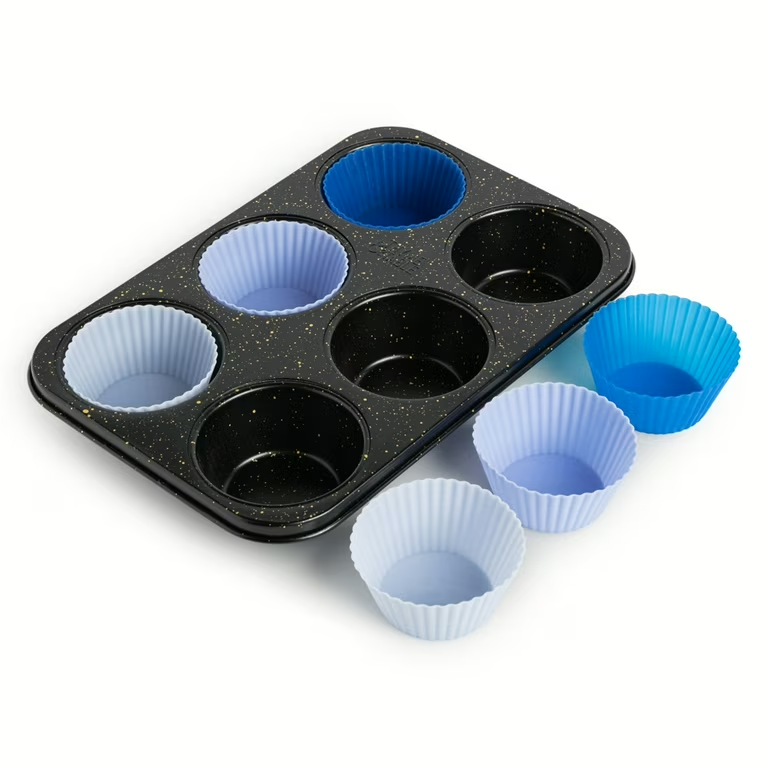
 The humble Muffin Pan, often tucked away in the back of the cupboard, is far more than just a vessel for your morning muffins. It’s a versatile, indispensable kitchen tool, a silent workhorse ready to revolutionize your baking and cooking. From delightful cupcakes to savory breakfast bites and ingenious appetizers, the right muffin pan can elevate your culinary creations, offering perfectly portioned treats and simplifying your kitchen adventures. If you’re lookig to unlock its full potential, understanding the nuances of this bakeware essential is your first step to a world of culinary possibilities.
The Humble Origins: A Brief History of the Muffin Pan
While the exact “birth certificate” of the modern muffin pan is a bit blurry, its concept dates back centuries. Early forms of individual baking molds were used for everything from tiny cakes to puddings, crafted from metals like cast iron or even ceramic. As baking evolved and domestic kitchens became more sophisticated, the design refined. The rise of industrialized manufacturing in the 19th and 20th centuries made the multi-cup muffin pan a staple, moving from specialized bakeware to an everyday item. Its enduring popularity stems from its ingenious design, allowing for uniform baking and convenient individual servings, solidifying its place in kitchens worldwide.
Anatomy of a Muffin Pan: Understanding the Essentials
Choosing the right muffin pan can significantly impact your baking results. It’s not just about the number of cups; the material, size, and design all play crucial roles in how your treats turn out.
Materials Matter: Choosing Your Perfect Pan
The material of your muffin pan dictates how it conducts heat, affects browning, and how easy cleanup will be.
- Metal (Aluminized Steel, Carbon Steel): These are the most common and often preferred materials for muffin pans. Metal is an excellent conductor of heat, ensuring your baked goods cook thoroughly and achieve that desirable golden-brown crust. Many metal muffin pans feature non-stick coatings, such as PTFE, PFOA, and BPA-free silicone-based coatings like Americoat, which are critical for easy release and hassle-free cleaning. Keep in mind that darker-colored metal pans tend to absorb more heat, leading to faster and sometimes deeper browning, which might require a slight adjustment in oven temperature or baking time. Lighter-colored non-stick pans often provide more even browning.
- Silicone: Silicone muffin pans are celebrated for their flexibility, making unmolding baked goods incredibly easy. They are also generally simple to clean. However, silicone is a poor heat conductor compared to metal. This can sometimes result in baked goods that are paler and less browned, requiring longer baking times to achieve desired doneness. Due to their floppy nature, silicone muffin pans always need to be placed on a sturdy baking sheet for stability when transferring to and from the oven.
- Ceramic: Often found as a non-stick coating over a metal base, ceramic-coated muffin pans offer good non-stick properties and can produce evenly domed muffins with a crisp exterior and moist interior. They are seen as an alternative to traditional non-stick coatings and usually require hand-washing to maintain the coating.
Sizes and Their Uses
Muffin pans come in a variety of sizes, each suited for different culinary applications.
- Standard (12-cup): This is the classic, most common muffin pan size, typically holding around 100 milliliters (or about 3 to 4 fluid ounces) of batter per cup. It’s your go-to for most muffin and cupcake recipes, providing perfectly sized individual portions.
- Mini (12- to 24-cup): Ideal for bite-sized treats, mini muffin pans hold approximately 2 tablespoons (or 2 ounces) of batter per cup. They are fantastic for appetizers, small desserts, or when you want just a little something sweet.
- Jumbo (6-cup): For heartier portions, jumbo muffin pans boast larger cups, accommodating about 1 cup (or 8 ounces) of batter each. These are perfect for generously sized muffins, individual pot pies, or savory breakfast cups.
- Muffin Top Pans: Designed specifically to make just the coveted muffin top, these pans feature wider, shallower cavities, typically holding around 3 tablespoons of batter. They’re great for creating whoopie pies, cornbread tops, or even individual cake layers.
Design for Success: What to Look For
Beyond material and size, a well-designed muffin pan offers features that enhance both performance and user experience. Look for sturdy construction that resists warping. Wider rims or built-in handles are a huge plus, providing enough clearance and a secure grip, even when maneuvering the hot pan with oven mitts. Some pans feature textured surfaces on the rim or between cavities, which can promote better airflow during baking.
Mastering the Bake: Tips for Optimal Muffin Pan Use
A great muffin pan is only part of the equation; knowing how to use it effectively ensures consistently perfect results.
Prepping Your Pan: To Grease or Not to Grease?
Proper preparation is key to preventing your baked goods from sticking.
- For Non-Stick Pans: A light spritz of non-stick vegetable spray is often sufficient. Many high-quality non-stick muffin pans, especially those with advanced coatings, perform well with minimal or no additional greasing. However, some brands might not recommend cooking spray as it can build up over time and affect the non-stick coating. Always check manufacturer instructions.
- For Standard Metal Pans: Thoroughly grease each cavity with butter or shortening, then lightly dust with flour, tapping out any excess. This creates a non-stick barrier.
- Baking Liners: Paper or reusable silicone baking cups are excellent for easy release and cleanup, making them a popular choice. They also add a decorative touch. You can use them in both non-stick and regular muffin pans.
Filling the Wells
Consistent filling is crucial for even baking and uniform results. As a general rule, fill each muffin pan cavity about two-thirds to three-quarters full. Overfilling can lead to overflow and misshapen tops, while underfilling might result in smaller, stubbier muffins.
Baking Temperature and Time
Follow your recipe’s recommendations, but be mindful of your muffin pan’s material and color. Darker metal pans heat faster and can cause quicker browning, potentially requiring you to reduce the oven temperature by 25°F or check for doneness a few minutes earlier. Silicone pans, being poor heat conductors, might need slightly longer baking times to achieve a golden crust.
Cooling and Release
Patience is a virtue when it comes to unmolding. Allow your baked goods to cool in the muffin pan for a few minutes after removing them from the oven. This allows them to set and firm up, making them much easier to release without breaking. For extra stubborn items, carefully run a thin knife or offset spatula around the edges before gently lifting them out.
Beyond the Muffin: Creative Culinary Adventures with Your Muffin Pan
The versatility of the muffin pan extends far beyond its namesake. It’s a secret weapon for portion control, meal prep, and creating delightful individual servings of almost anything.
Savory Delights
Transform your muffin pan into a savory sensation station:
- Egg Bites/Mini Quiches: Perfect for grab-and-go breakfasts or brunch. Whisk eggs with your favorite fillings—cheese, spinach, ham, peppers—pour into greased cups, and bake.
- Mini Meatloaves or Meatloaf Cups: A classic comfort food in a convenient, single-serving size.
- Mashed Potato Cups: Crispy on the outside, fluffy inside, a fantastic side dish.
- Mac and Cheese Bites: The ultimate crowd-pleasing appetizer, gooey and cheesy in individual portions.
- Savory Tarts or Pot Pies: Use puff pastry or pie crust for quick, personal-sized meals.
Sweet Treats (Non-Muffin)
Your muffin pan is also a hero for diverse sweet creations:
- Brownie Bites: Fudgy, perfectly portioned brownies with slightly crispy edges.
- Mini Cheesecakes: Individual cheesecakes are elegant and easy to serve.
- Individual Cake Layers: Bake thin cake layers to stack into miniature layer cakes.
- Whoopie Pies: Use the muffin top pan for classic cookie-sandwich desserts.
- Cookies: Drop cookie dough into cups for thick, chewy “pudding” cookies.
Breakfast Innovations
Start your day right with these muffin pan marvels:
- Breakfast Cups: Combine eggs, sausage, cheese, and veggies for a complete, portable breakfast.
- Individual Oatmeal Portions: Bake oatmeal with fruits and nuts for prepped breakfasts.
- Baked Ham and Egg Cups: Line cups with a slice of ham, crack an egg inside, and bake.
Muffin Pan Care: Keeping Your Bakeware Pristine
To ensure your muffin pan lasts for years and performs optimally, proper care is essential.
Cleaning Best Practices
- Hand-Washing is Key: While some non-stick and silicone muffin pans are labeled as dishwasher-safe, hand-washing in warm, soapy water is generally recommended. Harsh dishwasher detergents and high heat can degrade non-stick coatings over time.
- Soaking for Stubborn Bits: If you have baked-on batter or food residue, allow the pan to soak in warm, soapy water for a few minutes. This softens the grime, making it much easier to scrub off gently.
- Avoid Abrasive Scrubbers: Use a soft sponge or a non-stick safe scrubbing pad to prevent scratching the surface, especially on coated pans.
Storage
Store your muffin pans carefully to prevent scratches to their non-stick surfaces. Stacking them directly can cause wear and tear. Consider placing a paper towel or a soft cloth between stacked pans, or use a pan organizer.
Expert Insight
“A good muffin pan is a kitchen workhorse,” says Chef Isabella Rossi, a renowned pastry chef. “Its true value lies not just in its primary function, but in its ability to inspire creativity and simplify meal prep.”
Frequently Asked Questions (FAQ)
Q: What is the ideal material for a muffin pan?
A: Metal, particularly aluminized or carbon steel with a reliable non-stick coating, is often preferred for excellent heat conduction, even browning, and easy release. While silicone offers flexibility and easy unmolding, it’s a poor heat conductor and may result in paler baked goods.
Q: Can I use a muffin pan for cupcakes?
A: Absolutely! Muffin pans and cupcake pans are essentially the same. While cupcakes often benefit from flatter tops for icing, you can bake both perfectly in the same pan. The primary difference often comes down to the batter consistency and desired dome.
Q: How do I prevent muffins from sticking to the pan?
A: For non-stick pans, a light grease or paper liners usually suffice. For standard metal pans, greasing and flouring each cavity thoroughly, or using baking cups, is key. Always ensure your pan is clean and free of residue before greasing.
Q: Are silicone muffin pans good for baking?
A: Silicone pans are flexible, offering easy release and cleaning. However, they are poor heat conductors, which can result in paler, less browned baked goods. They also require a baking sheet for stability due to their floppy nature. For optimal browning and consistent results, many experts prefer metal non-stick muffin pans.
Q: What else can I make in a muffin pan besides muffins?
A: The possibilities are vast! From savory egg bites, mini quiches, and individual meatloaves to sweet treats like brownie bites, mini cheesecakes, and individual fruit crumbles, a muffin pan is incredibly versatile for portion-controlled cooking and baking. It’s excellent for meal prepping and creating single-serving dishes.
Conclusion
The muffin pan is truly an unsung hero of the kitchen, offering convenience, versatility, and endless possibilities for both sweet and savory creations. By understanding the different types, proper usage, and care, you can transform this simple piece of bakeware into a powerful tool that simplifies cooking, encourages creativity, and delivers perfectly portioned delights every time. So dust off your muffin pan, embrace its full potential, and get ready to impress with your culinary endeavors. Happy baking and exploring!