Hey there, fellow baking enthusiast! Have you ever wondered what’s really in your bakeware? With a growing focus on healthier living, more and more home cooks are looking beyond just the ingredients in their recipes and questioning the materials their food touches during preparation. This is especially true when it comes to something as beloved as mini muffins, those delightful, bite-sized treats perfect for tiny hands or portion control. Choosing a Non Toxic Mini Muffin Pan is a small but significant step towards a cleaner, healthier kitchen.
In a world full of choices, it’s easy to get lost in the jargon of “non-stick” and “chemical-free.” But fear not! We’re here to guide you through the ins and outs of non-toxic mini muffin pans, helping you bake with confidence and peace of mind.
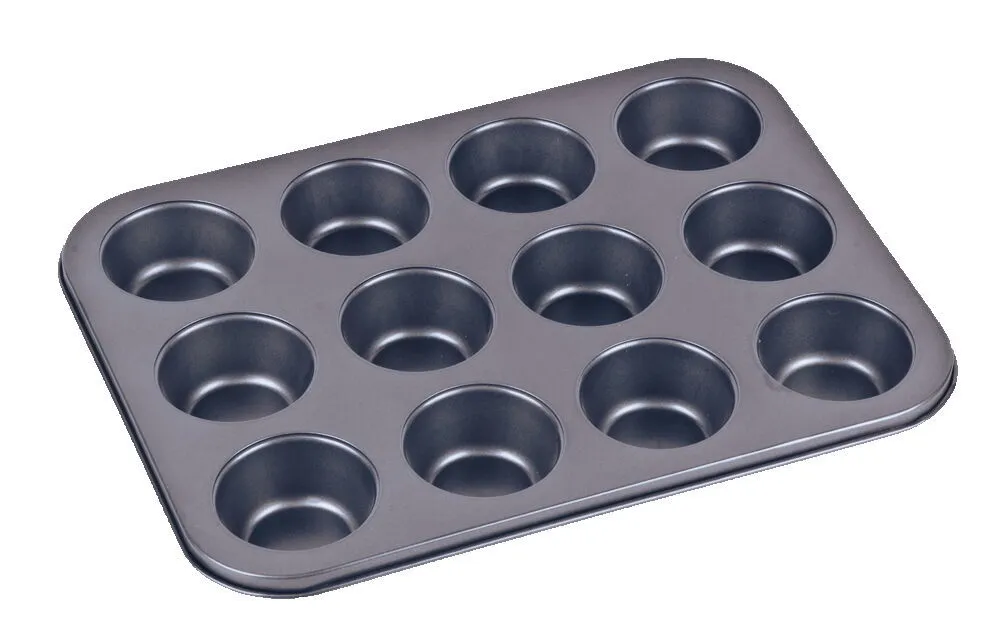
The Unseen Ingredients: Why “Non-Toxic” Matters in Your Muffin Pan
For decades, traditional non-stick bakeware, often coated with materials like PTFE (Teflon™), dominated our kitchens. While incredibly convenient for easy food release, research has raised significant concerns about the chemicals used in their production and found in the coatings. Historically, PFOA (perfluorooctanoic acid) was a key manufacturing aid for these coatings, linked to a range of health issues and now globally banned. Yet, many non-stick pans still contain PFAS (per- and polyfluoroalkyl substances), often called “forever chemicals,” which can pose environmental and health risks.
The truth is, when traditional non-stick pans are overheated (especially above 500°F or 260°C), or if their coatings become scratched or chipped, they can release harmful fumes and microscopic particles into your food and air. Nobody wants those “unseen ingredients” in their delicious mini muffins, right? This is why the shift towards genuinely non-toxic bakeware has become a priority for health-conscious bakers. Opting for a non-toxic option means you’re actively reducing your exposure to these potentially harmful substances, ensuring that your treats are as wholesome as they taste.
Decoding Non-Toxic Materials: Your Guide to Healthier Baking
When you’re on the hunt for a non toxic mini muffin pan, you’ll encounter a variety of materials, each with its unique advantages. Let’s explore the leading contenders:
Ceramic Non-Stick Mini Muffin Pans
Ceramic-coated bakeware has rapidly emerged as a favorite in the non-toxic kitchen. These pans typically feature an aluminized steel core for excellent heat conduction and durability, topped with a healthy, mineral-based ceramic non-stick coating.
- What are they made of? The magic lies in their proprietary ceramic coating, which is usually derived from natural sand and explicitly formulated without PTFE, PFOA, PFAS, lead, and cadmium. Brands like Caraway and GreenPan are leaders in this space, often using robust, third-party tested coatings.
- Why are they great? They offer remarkable non-stick performance, allowing your mini muffins to pop out effortlessly. They distribute heat evenly, preventing burnt edges and undercooked centers. Plus, many are oven-safe to impressively high temperatures, often up to 550°F (287°C), making them versatile for various recipes.
- Things to keep in mind: While durable, ceramic coatings can scratch if abrasive utensils are used. Hand washing is often recommended to preserve the integrity of the coating over time.
Silicone Mini Muffin Pans
Silicone bakeware burst onto the scene with its vibrant colors and incredible flexibility. For mini muffins, silicone pans or individual silicone liners are particularly popular for their easy release.
- What are they made of? High-quality silicone pans are made from 100% food-grade silicone, free from BPA and other plasticizers. Some premium options are “platinum” silicone, indicating a higher purity and curing process.
- Why are they great? Their inherent flexibility makes removing delicate mini muffins a breeze—just peel the cup away! They are freezer-safe, making them excellent for meal prepping egg bites or freezing individual portions. They’re also generally oven-safe up to around 428-500°F (220-260°C).
- Things to keep in mind: Some bakers find that silicone doesn’t brown baked goods as effectively as metal. It’s crucial to ensure you’re using pure food-grade silicone; a common trick is to twist a piece – if white streaks appear, it might contain fillers. Always check the manufacturer’s temperature limits, as some siloxanes might leach at very high temperatures.
Stainless Steel Mini Muffin Pans
A classic choice for professional and home bakers alike, stainless steel offers durability and reliability without any chemical coatings.
- What are they made of? Stainless steel is an alloy of iron with chromium (and sometimes nickel) to prevent rust. It’s an inert material, meaning it won’t leach chemicals into your food.
- Why are they great? These pans are workhorses! They’re incredibly durable, scratch-resistant, and heat evenly. You never have to worry about a coating degrading.
- Things to keep in mind: Stainless steel isn’t naturally non-stick. You’ll definitely want to grease and flour these pans meticulously or use mini muffin liners to prevent sticking. They might also require a bit more effort to clean if food gets baked on.
Glass Mini Muffin Pans
Though less common for individual muffin cups, glass bakeware is a truly non-toxic and budget-friendly option.
- What are they made of? Typically made from tempered borosilicate glass.
- Why are they great? Glass is completely inert, meaning absolutely no chemicals will leach into your food. It’s transparent, allowing you to visually monitor baking progress. Brands like Pyrex and Anchor offer reliable glass options.
- Things to keep in mind: Glass is heavier and more fragile than metal. It also conducts heat differently, sometimes leading to longer baking times or more pronounced browning on the exterior. Availability of dedicated mini muffin pans in glass can be limited.
Cast Iron Mini Muffin Pans
For the traditionalist, cast iron is the original non-toxic, non-stick workhorse. While mini muffin pans specifically in cast iron might be harder to find than full-size versions, they offer unique benefits.
- What are they made of? Pure iron and carbon alloy.
- Why are they great? Properly seasoned cast iron develops a natural non-stick surface over time. It offers incredible heat retention and can even add a tiny bit of dietary iron to your food. These pans are virtually indestructible.
- Things to keep in mind: They are heavy and require consistent seasoning to maintain their non-stick properties and prevent rust. They also take longer to heat up.
Choosing Your Perfect Non Toxic Mini Muffin Pan
With so many excellent non-toxic options, how do you pick the right one for your kitchen? Consider these factors:
- Material Preference: Do you prioritize ultimate non-stick performance (ceramic, silicone) or prefer a completely bare metal approach (stainless steel, cast iron, glass)?
- Heat Resistance: While most non-toxic pans can handle typical baking temperatures, if you often bake at very high heat, check the manufacturer’s specifications.
- Ease of Cleaning: Ceramic and silicone are generally the easiest for quick cleanup. Stainless steel and cast iron might require a bit more elbow grease or specific cleaning routines.
- Durability: Stainless steel and cast iron are built to last generations. Ceramic coatings are durable but can scratch, while silicone is flexible but can tear over many years.
- Baking Needs: If even browning is crucial, metal-based pans usually excel. If flexibility for easy release is your top priority, silicone shines.
- Budget: Glass and some silicone options can be very budget-friendly, while premium ceramic and stainless steel pans might be a larger initial investment.
When shopping, always look for clear labeling. Reputable brands will proudly state their products are PFOA-free, PTFE-free, and PFAS-free. For silicone, seek out “100% food-grade silicone” or “platinum silicone.”
Maximizing Your Non-Toxic Mini Muffin Pan Experience
Once you’ve brought home your fantastic non toxic mini muffin pan, a little care goes a long way to ensure its longevity and performance.
- For Ceramic Non-Stick:
- Gentle Greasing: A light coat of oil or butter, even if labeled non-stick, can enhance release and extend the coating’s life.
- Temperature Control: While oven-safe to high temps, avoid extreme thermal shock (e.g., placing a hot pan directly into cold water).
- Cleaning: Hand wash with warm soapy water and a soft sponge. Harsh scrubbers or abrasive cleaners can damage the coating.
- Utensils: Stick to silicone, wood, or plastic utensils to protect the non-stick surface.
- For Silicone:
- Placement: Always place silicone pans on a sturdy baking sheet for stability when transferring in and out of the oven.
- Cool Down: Let muffins cool completely in the pan before attempting to release them for the easiest pop-out.
- Cleaning: Most are dishwasher safe, but hand washing helps prevent mineral buildup that can make them sticky over time.
- Avoid Fillers: Remember the twist test!
- For Stainless Steel:
- Preparation is Key: Thoroughly grease and flour each cup, or use mini muffin liners, especially if you want a true non-stick experience.
- Cleaning: These pans can handle a good scrub! If food sticks, soaking with warm soapy water usually does the trick.
- For Glass:
- Preheating: Allow the glass to preheat with the oven to prevent cracking from thermal shock.
- Cleaning: Glass is easy to clean; warm soapy water is typically all you need.
“Choosing non-toxic bakeware is about more than just avoiding harmful chemicals; it’s about embracing a mindful approach to cooking that benefits both our bodies and the environment,” says Dr. Anya Sharma, a food safety specialist and passionate home baker. “It’s about making a conscious decision for cleaner, healthier food, starting right from the pan.”
Beyond Muffins: Creative Uses for Your Mini Pan
A non toxic mini muffin pan is surprisingly versatile! Don’t limit yourself to just sweet treats. These little cups are perfect for:
- Breakfast Boosters: Egg bites, mini quiches, oatmeal cups, or even tiny frittatas.
- Savory Snacks: Mini meatloaves, stuffed mushrooms, savory polenta bites, or individual mac and cheese portions.
- Dessert Delights: Mini cheesecakes, peanut butter cups, chocolate lava cakes, or fruit tarts.
- Meal Prep: Freezing individual portions of sauces, pesto, or baby food.
The smaller size makes them ideal for portion control, snacks for kids, or appetizers for entertaining.
The Long-Term Benefits of Going Non-Toxic
Investing in a non toxic mini muffin pan is more than just a purchase; it’s a commitment to a healthier lifestyle. You’re reducing your family’s exposure to potentially harmful chemicals, contributing to a healthier home environment, and making a choice that often aligns with more sustainable manufacturing practices. It provides invaluable peace of mind, allowing you to focus on the joy of baking and the delicious results, knowing your treats are truly wholesome.
Frequently Asked Questions
Are silicone muffin pans truly non-toxic?
Yes, high-quality, 100% food-grade silicone pans are generally considered non-toxic and safe for baking within their recommended temperature limits. Always check for certifications and avoid silicone that leaves white streaks when twisted, which can indicate fillers.
What are PFAS and why should I avoid them?
PFAS (per- and polyfluoroalkyl substances) are a group of synthetic chemicals known as “forever chemicals” because they don’t break down easily in the environment or the human body. They have been linked to various health concerns, including developmental, immune, and hormonal issues. Avoiding bakeware made with PFAS helps reduce your exposure.
Can I use liners in non-toxic pans?
Absolutely! Using unbleached parchment paper or silicone liners can further enhance easy release and simplify cleanup, regardless of your pan’s material. They also add an extra layer of protection, especially for stainless steel pans.
How do I clean a ceramic non-stick mini muffin pan?
For ceramic non-stick pans, hand washing with warm water, a mild dish soap, and a soft sponge or cloth is highly recommended. Avoid abrasive scrubbers, harsh detergents, or metal utensils, as these can damage the non-stick coating.
Embark on Your Healthier Baking Journey
So, there you have it! The journey to a healthier kitchen often starts with small but impactful changes. Choosing a non toxic mini muffin pan is a fantastic way to embrace mindful baking, ensuring that every mini muffin, egg bite, or tiny quiche you create is not only delicious but also genuinely wholesome. Step away from the worry of hidden chemicals and bake with confidence, knowing you’re making the best choices for yourself, your family, and your love for baking. Happy baking!