Step into almost any kitchen, and you’re likely to find a trusty Round Muffin Pan tucked away in a cabinet. More than just a tool for baking delightful morning treats, this versatile piece of bakeware is a silent hero, capable of transforming your culinary efforts in countless ways. Whether you’re a seasoned baker or just starting, understanding the nuances of your round muffin pan can unlock a world of delicious possibilities, from perfectly domed muffins to savory individual meals and creative appetizers.
The Enduring Legacy: A Brief History of the Round Muffin Pan
The journey of the modern round muffin pan is richer than you might imagine, evolving from humble beginnings to become an indispensable kitchen staple. Its origins can be traced back to the 19th century with the invention of the “gem pan.” Patented by Nathaniel Waterman in Boston in 1859, these early cast iron molds were initially designed for baking “gems,” which were dense, quick breads often made with whole wheat Graham flour. These early pans, typically featuring 7 to 12 shallow, connected cups, were a significant step towards standardized bakeware.
As baking technology advanced with the advent of gas and electric ovens in the early 20th century, the muffin tin became more widely adopted for American-style quick breads. It later played a crucial role in the popularity of cupcakes, which emerged around the 1910s as a convenient alternative to larger layer cakes. Interestingly, the term “muffin” itself appeared in print as early as 1703, referring to flat rounds of yeast dough cooked on a hot griddle—a precursor to what we now call English muffins. These differ significantly from the cakelike, quick-bread muffins typically baked in our modern round muffin pans today.
Decoding Your Choices: Types and Materials of Round Muffin Pans
The material and coating of your round muffin pan significantly influence baking performance, heat distribution, and ultimately, the success of your recipes. Understanding these differences is key to choosing the right pan for your needs.
Metal Muffin Pans
Metal pans are the most common type and are highly favored for their excellent heat conduction, which promotes even baking and a desirable golden-brown crust. Common metals include aluminized steel, carbon steel, and stainless steel. Aluminized steel, a blend of aluminum and steel, is particularly popular for its optimal heat conduction and resistance to warping.
- Non-stick Coatings: Most metal muffin pans today feature a non-stick coating, often made of silicone or ceramic. This coating is a game-changer for easy release and simplified cleanup, making them a top recommendation for most bakers.
- The Impact of Pan Color: The color of your metal muffin pan plays a subtle yet significant role in baking. Lighter-colored pans tend to yield a more optimal, even browning, resulting in beautifully golden baked goods. In contrast, darker metal pans absorb more heat, which can lead to deeper browning, potentially drier crusts, and a slightly faster cooking time. If you’re using a dark pan, it’s a good practice to check your baked goods a little earlier than the recipe suggests.
Silicone Muffin Pans
Silicone muffin pans offer unique advantages, primarily their superior non-stick properties and flexibility. Baked goods often pop out effortlessly from silicone, and they are generally very easy to clean.
- Heat Conduction: However, silicone is a poor heat conductor compared to metal. This means items baked in silicone pans might take a little longer to cook and may not achieve the same level of browning or crispiness as those baked in metal pans.
- Stability: Due to their flexibility, silicone pans often require placement on a sturdy cookie sheet or baking pan before being placed in the oven to ensure stability and prevent spills. Some silicone designs mitigate this with embedded steel rims.
Ceramic Muffin Pans
While less common, ceramic muffin pans can also be a good option. They are known for producing muffins with delightfully crisp exteriors and soft, moist interiors, often resulting in consistently golden-brown and evenly domed treats. Like other non-stick options, ceramic pans typically require hand-washing to preserve their coating and may have specific maximum oven-safe temperatures.
“Choosing the right muffin pan material is like selecting the perfect canvas for your masterpiece,” says Chef Lena Petrov, a renowned pastry expert. “Metal pans, especially those with lighter non-stick coatings, are generally my go-to for consistent browning and a satisfying crust. Silicone has its place for delicate items that need a gentle release, but you might sacrifice some of that beautiful golden finish.”
Size Matters: Standard, Mini, and Jumbo Round Muffin Pans
Round muffin pans come in a range of sizes, each catering to different culinary needs and portion preferences.
- Mini Muffin Pans: These typically hold about 0.4 to 1 ounce or around 2 ounces of batter per cavity. They are perfect for bite-sized treats, appetizers, or when you need a large quantity of small portions.
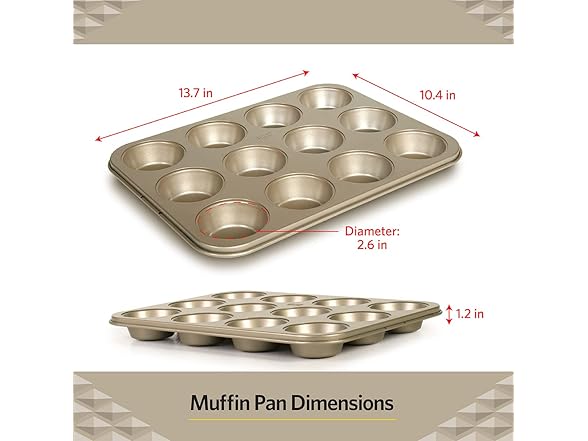
- Standard Muffin Pans: The most common size, standard cavities usually have a capacity of 3 to 4 fluid ounces, or approximately 100 milliliters of batter. Most muffin and cupcake recipes are designed with this size in mind, making them the most versatile choice for everyday baking.
- Jumbo Muffin Pans: These larger pans can hold around 4 to 5 ounces or up to 8 ounces of batter per cavity, ideal for bakery-style muffins, larger cupcakes, or substantial individual meal portions.
Choosing the right size depends on what you’ll be baking most often. For general purposes, a standard 12-cup round muffin pan is usually the best starting point.
The Savvy Baker’s Guide: How to Choose Your Perfect Round Muffin Pan
Investing in a good round muffin pan can elevate your baking experience. Here’s what to look for when making your selection:
Even Heat Distribution
A high-quality muffin pan should distribute heat evenly to ensure that your muffins, cupcakes, or other baked goods cook thoroughly and consistently, preventing raw centers or burnt edges. Look for pans made from materials known for good heat conductivity, such as aluminized steel.
Design and Handles
Consider the pan’s overall design for ease of use. A well-designed muffin pan will have a platform that extends on opposite sides, offering at least an inch of handling room. This clearance is crucial for securely gripping and transferring the hot pan in and out of the oven. Pans with sturdy, rolled rims are also less prone to warping over time, contributing to their longevity.
Durability and Longevity
Opt for pans made from robust materials that can withstand repeated use without warping, denting, or peeling. Thicker gauge metal usually indicates a more durable product. While many non-stick coatings are excellent, look for reputable brands known for quality and durability.
Cleaning and Maintenance Considerations
Most non-stick and silicone muffin pans are often recommended for hand-washing in warm, soapy water to help extend their lifespan and maintain performance. Pay attention to the crevices between the pan’s platform and cavities; a thoughtfully designed pan will have sealed crevices to prevent moisture and food particles from getting trapped, which can lead to rust or unsanitary conditions.
Baking Brilliance: Essential Tips for Using Your Round Muffin Pan Effectively
Achieving perfectly baked goods from your round muffin pan involves a few key techniques:
Preparation is Key
- Greasing: Even with a non-stick pan, proper greasing is often beneficial. Use a non-stick cooking spray (aerosol canola or olive oil sprays are good; avoid generic “non-stick sprays” that can damage coatings). Alternatively, butter or vegetable oil can be applied with a paper towel or your finger. A common mistake is using olive oil or extra virgin olive oil for greasing, as their low boiling points can make them unsuitable for high-heat baking.
- Liners: For effortless removal and minimal cleanup, baking cups (paper or silicone) are your best friend. They also help maintain the shape of delicate items.
Filling the Cups
Avoid overfilling the cups. Generally, filling each cavity about two-thirds full is ideal for standard muffins and cupcakes, allowing room for them to rise without overflowing and flattening. For recipes with specific instructions, always follow those guidelines.
Optimal Baking
- Oven Placement: For consistent results, place your muffin pan on the center rack of a conventional oven.
- Temperature: If using a darker-colored metal pan, you might consider reducing the oven temperature by 25-50°F (15-30°C) or checking your baked goods a few minutes earlier, as dark pans bake more quickly.
- Room Temperature Ingredients: For most baking, especially cakes and quick breads, ensure eggs, butter, and liquid ingredients are at room temperature. This helps create a smoother batter and ensures even baking.
“The secret to perfectly domed muffins isn’t just the batter, it’s the prep,” advises Chef Lena Petrov. “Always grease generously, even non-stick pans, or use liners. And for heaven’s sake, don’t overfill! Give your bakes room to breathe and blossom.”
Troubleshooting
If you find muffins sticking, try increasing the greasing next time or double-checking the pan’s non-stick coating for damage. Uneven baking can often be remedied by rotating the pan halfway through baking or ensuring your oven temperature is accurate.
Beyond the Bake Sale: Creative Culinary Adventures with Your Round Muffin Pan
The round muffin pan’s utility extends far beyond traditional muffins and cupcakes, making it one of the most versatile tools in your kitchen. Get ready to expand your repertoire!
Savory Surprises
Your muffin pan is a perfect ally for creating individual savory portions, ideal for meal prep, appetizers, or quick weeknight dinners:
- Mini Meatloaves: Portion out meatloaf mixture into each cup for adorable, single-serving meatloaves that cook faster.
- Egg Bites and Mini Quiches: Whisk eggs with your favorite fillings (cheese, vegetables, ham, or prosciutto) for easy, protein-packed breakfast cups or crustless mini quiches. They freeze beautifully for busy mornings.
- Hash Brown Cups: Press shredded potatoes into oiled muffin cups and bake until crispy for delicious, customizable hash brown cups.
- Tortilla Bowls: Flip your muffin pan upside down, spray small tortillas with cooking spray, and press them between the inverted cups. Bake until golden and crisp for edible taco salad bowls.
- Mini Mac and Cheese: Create individual servings of creamy macaroni and cheese, perfect for a party appetizer or kid-friendly meal.
Sweet Treats (Beyond Muffins)
Think outside the traditional dessert box with these creative uses:
- Mini Cheesecakes: The muffin pan is excellent for making individual cheesecakes, eliminating the need for a springform pan or water bath.
- Cookie Cups: Press refrigerated cookie dough into muffin cups, bake, and then gently press the center with a spoon to create perfect little edible cups for ice cream, fruit, or frosting.
- Pineapple Upside-Down Cakes: Make individual servings of this classic dessert with ease.
- Fruit Tarts: Shape pie crust into the cups for individual fruit tarts or mini pecan tassies.
Unique Applications
Your round muffin pan can even serve as a handy organizer:
- Snack Trays or Condiment Holders: For parties or movie nights, fill the cups with various snacks like nuts, candies, fruits, or dips for easy, portioned serving.
- Sushi Cups: Press sushi rice into the cups and fill with your favorite sushi ingredients for elegant appetizers.
Elevate Your Kitchen: The Undeniable Benefits of Owning a Round Muffin Pan
Owning a round muffin pan offers a multitude of advantages that go beyond merely baking muffins:
- Portion Control: It simplifies creating perfectly portioned servings, whether for meal prepping healthy breakfasts, managing snack sizes, or serving individual desserts.
- Versatility: As explored, its uses are incredibly diverse, from sweet to savory, making it a truly multifunctional kitchen tool.
- Efficiency: Baking individual items often cooks them faster than a large casserole or cake, saving time and energy.
- Easy Cleanup (with proper care): Modern non-stick and silicone pans, especially when prepped correctly, make cleanup a breeze, ensuring more time enjoying your creations and less time scrubbing.
- Kid-Friendly Cooking: Its individual compartments are excellent for involving children in cooking and baking, letting them customize their own “mini meals” or treats.
Frequently Asked Questions About Round Muffin Pans
Q: Can I use a round muffin pan for cupcakes?
A: Absolutely! Round muffin pans are precisely what you use for baking cupcakes. They are often interchangeably referred to as cupcake trays or tins.
Q: How do I prevent muffins from sticking to a non-stick pan?
A: Even with non-stick pans, always grease the cups thoroughly with aerosol cooking spray (like canola or olive oil) or butter, or use paper or silicone baking liners. Avoid “non-stick sprays” that can leave a gummy residue.
Q: What’s the ideal way to clean my round muffin pan?
A: For most non-stick and silicone pans, hand-washing with warm, soapy water is recommended to preserve the coating. If food is stuck, soak the pan for a few minutes before gently scrubbing. Ensure all crevices are dried thoroughly to prevent rust, especially with metal pans.
Q: Are silicone muffin pans better than metal ones?
A: Neither is inherently “better”; they offer different advantages. Metal pans generally provide superior heat conduction and browning, while silicone pans excel in non-stick properties and easy release. Many bakers prefer metal for traditional muffins and cupcakes but appreciate silicone for delicate items or unique shapes.
Q: Can I put paper liners in a silicone muffin pan?
A: Yes, you can definitely use paper liners in a silicone muffin pan. This adds an extra layer of non-stick convenience and makes for easy serving and cleanup.
Q: What is a “muffin top pan”?
A: A muffin top pan is a specialized pan with shallow, wide cavities designed to bake only the crunchy, flavorful tops of muffins, rather than the full muffin. It’s perfect for those who believe the best part of the muffin is indeed the top!
Conclusion
The humble round muffin pan is far more than a single-purpose gadget; it’s a dynamic kitchen essential that truly earns its place in your bakeware collection. From its fascinating history as the “gem pan” to its evolution into a versatile tool for both sweet and savory creations, this pan offers unparalleled convenience, portion control, and endless opportunities for culinary exploration. So, go ahead, pull out that round muffin pan, experiment with new recipes, and delight in the endless possibilities it brings to your kitchen. Happy baking!