There’s something incredibly satisfying about pulling a batch of perfectly baked muffins from the oven. The golden tops, the inviting aroma, the promise of a delicious bite – it’s a simple joy that many of us cherish. But as we become more conscious about what goes into our food, a growing question emerges: are we baking our treats in the Safest Muffin Pan? The truth is, not all bakeware is created equal, and understanding the materials in your muffin pan is crucial for your health and peace of mind. Let’s delve into how to choose a muffin pan that’s not only a star performer but also a safe haven for your culinary creations.
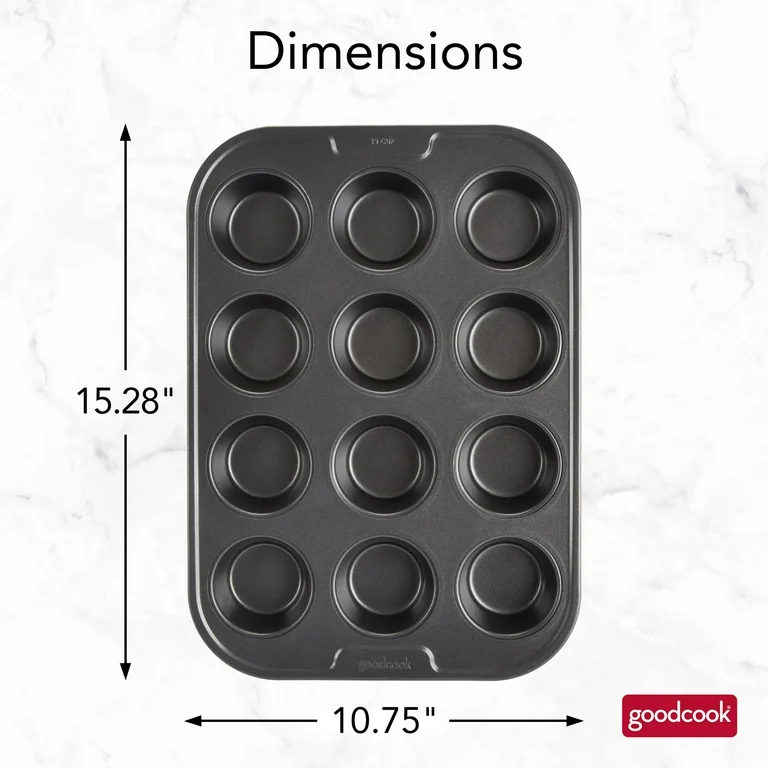
The Hidden Concerns: Why “Safest” Matters in Your Bakeware
For decades, non-stick coatings revolutionized cooking, making cleanup a breeze. However, traditional non-stick surfaces often contained per- and polyfluoroalkyl substances (PFAS), including PFOA (perfluorooctanoic acid) and PTFE (polytetrafluoroethylene), commonly known as Teflon. These “forever chemicals” have raised significant health concerns due to their persistence in the environment and potential links to various health issues when they leach into food, especially when heated to high temperatures or when the coating is scratched. Beyond these, some older bakeware might even contain traces of heavy metals like lead and cadmium. Modern bakers, therefore, are wisely seeking alternatives, prioritizing the safest muffin pan options that promise both performance and safety.
Decoding Muffin Pan Materials: A Safety Deep Dive
Navigating the world of muffin pan materials can feel like a maze, but focusing on safety helps clarify your choices. Each material brings its own set of advantages and considerations.
Ceramic-Coated Muffin Pans
Ceramic-coated muffin pans are a popular choice for those seeking the safest muffin pan alternative to traditional non-stick. These pans typically feature a metal core, often aluminized steel, coated with a non-stick ceramic layer derived from natural sand.
What are the benefits? Ceramic coatings are widely advertised as non-toxic, free from PTFE, PFOA, PFAS, lead, and cadmium, addressing many of the concerns associated with older non-stick pans. They offer excellent non-stick properties, making for easy food release and cleanup. The metal core ensures even heat distribution for consistently baked muffins.
What should you consider? The durability of the ceramic coating can vary. While generally robust, abrasive scrubbers or metal utensils can scratch the surface, compromising its non-stick properties over time. Hand-washing is usually recommended to prolong its life.
- “Ceramic non-stick coatings, when properly cared for, offer an excellent barrier against chemical leaching, providing a safer alternative to older PTFE-based pans,” advises Dr. Elena Petrova, a distinguished food safety specialist.
Stainless Steel Muffin Pans
For a truly inert and chemical-free baking experience, stainless steel stands out as an excellent option for the safest muffin pan.
What are the benefits? Stainless steel is incredibly durable, rust-resistant, and won’t leach any chemicals or coatings into your food. It conducts heat effectively, ensuring thorough baking. These pans are built to last, often becoming kitchen mainstays for decades.
What should you consider? Unlike non-stick pans, stainless steel can be prone to sticking if not properly prepared. Generous greasing, flouring, or the use of paper or silicone liners is often necessary for easy release. Cleanup might require a bit more effort if batter gets stuck.
- Chef Mark Johnson, known for his commitment to natural ingredients, often recommends stainless steel for its longevity and inert properties, stating, “For a truly chemical-free experience, stainless steel is my top choice, though a little extra care is needed for release.”
Glass Muffin Pans
Glass bakeware is another fantastic choice for those prioritizing the safest muffin pan, particularly for its purity.
What are the benefits? Made from completely inert materials, glass is naturally non-toxic and won’t interact with your food in any way. Its transparency allows you to visually monitor the baking process, ensuring perfect browning. Glass also boasts a naturally smooth, non-porous surface that is easy to clean.
What should you consider? Glass is heavier and more fragile than metal pans, making it susceptible to breaking if dropped. It also retains heat longer, which can sometimes lead to darker browning on the bottom of your muffins, potentially requiring slight adjustments to baking times.
Cast Iron Muffin Pans
A timeless material, cast iron offers exceptional durability and heat retention, making it a robust contender for the safest muffin pan if cared for correctly.
What are the benefits? Cast iron pans can last for generations, becoming heirlooms. When properly seasoned, cast iron develops a natural, non-stick surface that improves with use. Its superior heat retention ensures even and consistent baking, often resulting in beautifully crispy edges.
What should you consider? Cast iron is very heavy and requires specific maintenance. It must be seasoned regularly to maintain its non-stick properties and prevent rust. It’s also not naturally non-stick from the start and can require a learning curve for new users.
Silicone Muffin Pans and Baking Cups
Silicone bakeware has carved out its niche due to its flexibility and convenience.
What are the benefits? High-quality, food-grade silicone is generally considered safe and inert, capable of withstanding high temperatures without leaching. Its extreme flexibility makes for incredibly easy release of baked goods, often without the need for greasing. Silicone pans are also versatile, being oven, freezer, and microwave safe, and they’re typically very easy to clean. You can even use silicone baking cups on a flat baking sheet, eliminating the need for a metal pan entirely.
What should you consider? Some bakers find silicone pans to be floppy, which can make transferring a full pan to and from the oven a bit tricky. They may not promote the same level of browning or crispy crust as metal pans, and some users express concerns about the long-term stability or potential for taste transfer, although these issues are usually mitigated by using reputable, food-grade brands.
Material Comparison for the Safest Muffin Pan
| Material | Non-Toxic Claims (Common) | Non-Stick Performance (General) | Durability | Heat Conduction | Maintenance | Key Considerations |
|---|---|---|---|---|---|---|
| Ceramic-Coated | PTFE, PFOA, PFAS, Lead, Cadmium-Free | Excellent | Good | Excellent | Hand-wash recommended | Coating can scratch, lifespan dependent on care |
| Stainless Steel | Naturally inert, no coatings | Requires prep (grease/liners) | Excellent | Excellent | Easy to clean, can be dishwashable | Prone to sticking without proper prep |
| Glass | Naturally inert, no coatings | Good (some natural non-stick) | Moderate | Good | Easy to clean, often dishwasher-safe | Heavy, fragile, retains heat longer (darker browning) |
| Cast Iron | Naturally inert, no coatings | Excellent (when seasoned) | Excellent | Excellent | Requires seasoning, specific cleaning | Heavy, requires learning curve for seasoning |
| Food-Grade Silicone | Generally inert, no coatings | Excellent | Good | Poor | Easy to clean, often dishwasher-safe | Floppy, less browning, quality varies |
Choosing Your Perfect (and Safest) Muffin Pan
When selecting your ideal and safest muffin pan, consider these factors:
Check for Certifications & Claims
Look for explicit statements like “PFOA-free,” “PTFE-free,” “PFAS-free,” “lead-free,” and “cadmium-free” on product packaging or descriptions. Some brands also boast third-party testing to verify their safety claims, providing an extra layer of reassurance.
Consider Your Baking Style
If you bake frequently and want absolute peace of mind without worrying about coatings, stainless steel or glass might be your best bet. If you prioritize easy release and minimal fuss, a high-quality ceramic-coated pan or food-grade silicone cups could be more suitable, provided you’re diligent with care.
Maintenance
Many of the safest muffin pan options, especially those with ceramic coatings, recommend hand-washing to preserve their non-stick properties and extend their lifespan. Stainless steel and glass are often dishwasher-safe, offering more convenience. Cast iron requires specific seasoning and drying.
Budget vs. Longevity
Investing in a high-quality, durable muffin pan made from safer materials can be a long-term investment in your health and baking enjoyment. While some options might have a higher upfront cost, their longevity can make them more economical in the long run.
Design & Handles
For safety in handling hot pans, especially when pulling them from a scorching oven, look for designs with wider, comfortable handles that offer a secure grip even with oven mitts. Some silicone cups feature small side grips for easier maneuvering.
Tips for Safe & Effective Muffin Pan Use
Even the safest muffin pan benefits from proper usage and care.
Preparation is Key
- Greasing: For stainless steel, glass, or cast iron, always grease thoroughly with butter, oil, or non-stick spray, and consider dusting with flour for extra insurance.
- Liners: Paper or silicone liners are a baker’s best friend, ensuring easy release and simplifying cleanup for almost any type of pan.
- Filling: Avoid overfilling muffin cups; typically, filling them two-thirds to three-quarters full allows for proper rising without overflow.
Temperature Guidelines
Always adhere to the manufacturer’s maximum oven-safe temperature for your muffin pan, especially for ceramic-coated or silicone options, to prevent any potential degradation of the material.
Cleaning & Care
- Hand-Washing for Coated Pans: To protect non-stick coatings, always hand-wash with warm, soapy water and a soft sponge. Avoid abrasive scrubbers, steel wool, or harsh detergents.
- Prompt Cleaning: Clean your pan soon after it cools to prevent baked-on residue from hardening.
- Cast Iron Care: After washing (without harsh soap), always dry cast iron thoroughly and apply a thin layer of cooking oil to maintain its seasoning.
- Storage: Store coated pans carefully to prevent scratches. Hanging or placing a soft cloth between stacked pans can protect the surfaces.
Beyond Muffins: Creative & Safe Culinary Adventures
The versatility of a good muffin pan extends far beyond just muffins. Using the safest muffin pan opens up a world of creative possibilities:
- Savory Bites: Make individual quiches, egg bites, mini meatloaves, or savory bread puddings.
- Portion Control: Perfect for freezing individual portions of casseroles, lasagna, or even cookie dough.
- Sweet Treats: Bake cupcakes, mini cheesecakes, individual fruit crisps, or even frozen yogurt drops.
- Meal Prep: Conveniently portion out components for weekly meal planning, like mini frittatas or savory oatmeal cups.
The Long-Term Benefits of a Safe Muffin Pan
Choosing the safest muffin pan is more than just a passing trend; it’s a commitment to healthier cooking and peace of mind. By opting for materials free from harmful chemicals, you’re safeguarding your family’s well-being and contributing to a cleaner kitchen environment. A durable, well-chosen muffin pan also promises consistent performance, turning every baking session into a delightful and worry-free experience that will last for years to come.
Frequently Asked Questions (FAQ)
What makes a muffin pan “non-toxic”?
A muffin pan is considered “non-toxic” when it’s made from materials that do not leach harmful chemicals such as PFAS, PFOA, PTFE, lead, or cadmium into food, especially when heated to cooking temperatures. Common non-toxic options include pure stainless steel, glass, properly seasoned cast iron, and high-quality ceramic-coated bakeware.
Are all ceramic muffin pans equally safe?
While ceramic-coated muffin pans are generally marketed as safer alternatives, their safety and durability can vary by brand and manufacturing process. Always look for explicit declarations that the coating is free from PFAS, PFOA, PTFE, lead, and cadmium, and ensure it’s from a reputable manufacturer.
Can I use metal utensils in a non-stick muffin pan?
It is generally not recommended to use metal utensils in any non-stick muffin pan, including ceramic-coated ones. Metal can scratch the surface, potentially compromising the non-stick properties and, in older pans, exposing underlying materials. Stick to silicone, wood, or plastic utensils.
How do I properly clean a stainless steel muffin pan without making it stick?
To clean a stainless steel muffin pan, use warm, soapy water and a non-abrasive sponge or brush. For baked-on residue, let it soak briefly before scrubbing. To minimize sticking in future use, ensure it’s thoroughly greased and/or floured, or use liners.
Is silicone bakeware truly safe for high temperatures?
Yes, high-quality, food-grade silicone bakeware is generally safe for high temperatures, typically up to 450°F or 500°F (check specific product instructions). It’s an inert material, meaning it doesn’t react with food or release harmful substances when heated within its recommended temperature range.
How can I tell if my old muffin pan contains harmful chemicals?
If your old muffin pan has a traditional non-stick coating and was purchased before the mid-2010s, it might contain PFOA or PTFE. Unless explicitly stated by the manufacturer that it’s PFOA-free or PTFE-free, it’s safer to consider replacing it with a modern, certified non-toxic alternative like ceramic-coated, stainless steel, or glass options.
Conclusion
The journey to finding the safest muffin pan doesn’t have to be complicated. By understanding the materials available and recognizing the concerns associated with older non-stick technologies, you’re empowered to make informed choices that benefit your health and elevate your baking game. Whether you opt for the pristine purity of glass, the rugged reliability of stainless steel, the advanced non-stick of ceramic, or the enduring legacy of cast iron, choosing a truly safe muffin pan means you can focus on the joy of baking, creating delicious treats for yourself and your loved ones with complete peace of mind. Go ahead, explore the options, and discover the perfect, safest muffin pan to start your next culinary adventure!