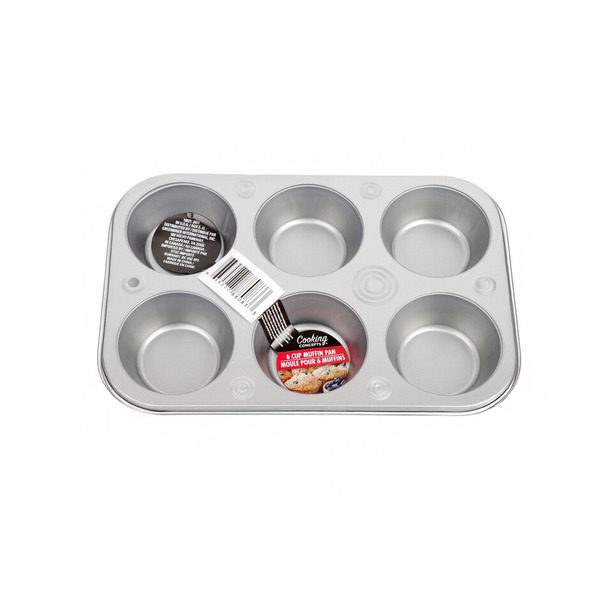
 Step into the delightfully spooky world of baking with a tool that promises to transform your ordinary kitchen creations into extraordinary, eye-catching masterpieces: the Skull Muffin Pan. Far from being a mere Halloween novelty, this versatile piece of bakeware invites you to infuse a touch of gothic charm or playful macabre into your treats all year round. Whether you’re a seasoned baker looking for a new challenge or just starting your culinary journey, mastering the skull muffin pan opens up a universe of creative possibilities, turning everyday muffins into mini works of edible art.
The Spooky Genesis: A Brief History of Muffin Pans
Before we delve into the specifics of the skull muffin pan, let’s take a quick trip down memory lane to understand its ancestors. The modern muffin pan, also known as a muffin tin or cupcake tray, has a fascinating history rooted in the 19th century. It evolved from the “gem pan,” a cast iron mold patented in 1859 by Nathaniel Waterman of Boston, Massachusetts. These early pans were designed to bake small, dense quick breads, often made with whole wheat Graham flour, referred to as “gems.”
As baking technology advanced into the early 20th century with the widespread adoption of gas and electric ovens, muffin tins became indispensable for American-style quick breads and, later, the burgeoning popularity of cupcakes around the 1910s. While traditional muffin pans focused on functional, evenly-sized portions, the desire for unique and celebratory baked goods paved the way for specialty designs like our beloved skull muffin pan, allowing bakers to express their creativity with distinct shapes and themes.
These unique pans are readily available from various retailers, making it easier than ever to add a touch of distinctive flair to your baking collection.
Choosing Your Skull: Exploring Different Types of Skull Muffin Pans
When it comes to picking your perfect skull muffin pan, you’ll primarily encounter two main material types: silicone and metal, often with a clever hybrid in between. Each offers distinct advantages and considerations for your baking endeavors.
Silicone Skull Muffin Pans
Silicone skull muffin pans are incredibly popular, and for good reason. They are celebrated for their non-stick properties and flexibility, which makes demolding your intricately shaped skull creations wonderfully easy. No more wrestling with stuck muffins or cakes! Silicone is also typically safe for use in ovens, microwaves, and freezers, and often dishwasher-safe, simplifying cleanup. You can even make ice molds or jello shapes with them.
However, silicone does have a few quirks. It’s a poorer heat conductor compared to metal, meaning your baked goods might not brown as evenly or as deeply, potentially resulting in a slightly denser texture. You might also find that baking times need adjustment – sometimes longer, sometimes faster, leading to inconsistent results, especially with larger silicone pans. Their inherent flexibility also means they can sometimes bulge or warp when filled, so placing them on a sturdy metal baking sheet before putting them in the oven is a common best practice.
Metal Skull Muffin Pans
Metal skull muffin pans, often made from aluminized steel or even heavy cast iron (like those from Nordic Ware or Lodge Cast Iron), are known for their durability and superior heat conduction. This means your treats will bake more evenly and achieve that desirable golden-brown crust, especially crucial for muffins and cakes that benefit from a crisp exterior. Many metal pans come with a non-stick coating to aid in release, though some still recommend a good greasing and flouring. Brands like Nordic Ware are often praised for their heavy, high-quality construction and excellent detail transfer.
The main drawback of metal pans can be the potential for sticking if not properly prepared, and they tend to be less flexible, which can make delicate demolding a bit trickier than with silicone. Darker metal pans can also lead to over-browning if not watched carefully.
Hybrid: Metal-Reinforced Silicone Pans
Some innovative skull muffin pan designs combine the best of both worlds: a silicone mold with an inlaid metal frame or cool-grip handles. This hybrid construction offers the non-stick, easy-release benefits of silicone while providing the structural stability of metal, preventing spills and deformation during baking. It’s an excellent choice for those who want the convenience of silicone without compromising on shape integrity.
Picking Your Poison: How to Select the Perfect Skull Muffin Pan
Choosing the right skull muffin pan involves considering a few key factors to match your baking style and desired outcomes.
Material Matters
- For easy release and versatility (non-baking molds): Silicone is your go-to. It’s excellent for chocolates, jello, ice, and delicate cakes where browning isn’t the primary goal.
- For even baking and crispier exteriors: Metal is often preferred. Look for light-colored or shiny metal bakeware for the best results, as darker metals can cause over-browning.
- For a balance of both: Consider a metal-reinforced silicone pan for added stability and ease of handling.
Size and Cavity Count
Skull muffin pans come in various sizes, from mini “bites” to larger cakelet molds. Consider what you primarily want to bake. Do you want small, snackable skull muffins for a party, or larger, more substantial individual skull cakes? The number of cavities also varies, usually from 6 to 20, impacting how many treats you can bake at once. Larger cavities (e.g., 4.2 x 2.6 x 1.7 inches) can accommodate larger muffins or even small loaves.
Design Detail
Some pans offer more intricate skull details than others. If crisp, defined features are important for your decorating vision, look for pans from reputable brands known for quality molds, like Nordic Ware, which are often praised for their amazing detail.
“As a pastry chef, I’ve seen countless novelty pans come and go, but the skull muffin pan truly stands out for its versatility and how easily it transforms ordinary treats into extraordinary, conversation-starting delights. It’s not just for Halloween; it’s a tool for year-round culinary mischief!” states Chef Alistair Finch, a renowned baker and culinary instructor.
Mastering the Macabre: Tips for Optimal Skull Muffin Pan Use
Getting those perfect skull shapes might seem daunting, but with a few expert tips, you’ll be baking like a pro.
Preparation is Key
- For Metal Pans: Even if labeled non-stick, a light coating of baking spray or a thorough greasing and flouring can be your best friend. Baker’s Joy is often recommended for heavy-duty metal pans. This ensures every intricate detail of the skull transfers beautifully and releases cleanly.
- For Silicone Pans: While generally non-stick, a quick spray can offer extra insurance, especially for sticky batters. Always place silicone pans on a sturdy baking sheet before filling and transferring to the oven to prevent spills and maintain shape.
Filling the Cavities
Avoid overfilling! Fill each cavity to about two-thirds full to allow for proper rising without obscuring the skull’s features. Overfilling can lead to mushroom-topped muffins that lose their skull definition. For thicker batters, you might need to adjust slightly.
Baking Perfection
Baking times and temperatures might need minor adjustments compared to standard muffin pans. Some recipes suggest adding an extra 3-5 minutes to the total baking time when using specialty pans. Keep an eye on your skull muffins and cakes, especially if using a darker metal pan, to prevent over-browning. Silicone, being a poorer heat conductor, might also require slightly longer baking to cook through.
The Grand Reveal: Demolding and Cooling
- For Metal Pans: Let your baked goods cool in the pan on a wire rack for a few minutes before attempting to invert them. This allows them to firm up slightly, making removal easier and reducing the chance of breakage.
- For Silicone Pans: The flexibility of silicone means you can usually press lightly from the bottom to pop out your skulls with ease once they’ve cooled slightly.
Cleaning and Care
Most skull muffin pans, whether silicone or non-stick metal, are dishwasher-safe, but always check the manufacturer’s instructions. For intricate metal pans, handwashing with a soft brush can help get into all the nooks and crannies to preserve the non-stick coating and detail. Soaking a metal pan with a little water immediately after use can help loosen any stuck bits.
“The key to getting those perfectly defined skull shapes, whether you’re using silicone or metal, is proper pan preparation and resisting the urge to overfill. A little precision goes a long way in bringing your spooky creations to life,” advises Lena Petrova, a seasoned home baker and recipe developer.
Beyond the Bones: Creative Recipes for Your Skull Muffin Pan
The skull muffin pan is a true chameleon in the kitchen, capable of producing much more than just themed muffins. Its distinct shape lends itself to a variety of sweet and savory applications that will impress and delight.
Sweet Treats: A Symphony of Spooky Delights
- Muffins and Cupcakes: This is its most obvious use! From classic blueberry muffins to rich chocolate cupcakes, the skull shape instantly elevates them. Decorate with candy eyeballs, frosting, or a dusting of powdered sugar to enhance the effect.
- Brownies and Cakelets: Create individual skull brownies or mini cakes. Imagine a rich chocolate lava cake that “bleeds” red when cut, achieved with a touch of food coloring.
- Jello Molds: For a truly unique dessert, use your silicone skull muffin pan to create spooky jello molds. The easy release of silicone is perfect for this.
- Jam-Filled Surprises: Bake muffins or cakes with a strawberry jam filling that “oozes out like blood” for a frightfully delicious treat.
Savory Delights: Unexpected Skull-Shaped Feasts
- Pizza Skulls: A Reddit favorite! Fill your skull cavities with pizza dough, sauce, cheese, and your favorite toppings for a fun, shareable savory snack.
- Mini Meatloaves: Portion out your meatloaf mixture into the skull pan for individual, perfectly shaped savory meals.
- Cornbread Skulls: Cast iron skull pans are particularly excellent for making cornbread, offering a sturdy, rustic skull shape that’s perfect for a themed dinner.
- Egg Bakes and Frittatas: Whisk eggs with your favorite fillings, pour into the cavities, and bake for individual skull-shaped breakfast or brunch items.
The possibilities are truly endless, limited only by your imagination. This pan encourages experimentation and fun in the kitchen.
Why Every Kitchen Needs a Skull Muffin Pan: Benefits & Conveniences
Owning a skull muffin pan brings a host of benefits that extend far beyond seasonal baking.
- Unique Presentation: It instantly elevates any dish, turning a simple muffin into a conversation piece. Perfect for parties, holidays (Halloween, Dia de Muertos), or just a fun family meal.
- Versatility: As we’ve seen, its uses are incredibly diverse, from sweet baked goods to savory meals, and even cold molds. This means you get great value from a single piece of bakeware.
- Durable Investment: High-quality metal or metal-reinforced silicone skull muffin pans are built to last, often becoming cherished kitchen tools for years to come.
- Fun for All Ages: Baking with a skull muffin pan is an engaging activity for kids and adults alike, sparking creativity and adding a playful element to cooking.
- Portion Control: Like any muffin pan, it helps with portioning, making it easier to manage servings of both sweet and savory items.
Frequently Asked Questions About Skull Muffin Pans
Got more questions about unleashing the skull power in your kitchen? We’ve got answers!
Q: Can I use a skull muffin pan for things other than muffins?
A: Absolutely! Skull muffin pans are incredibly versatile. You can make mini cakes, brownies, cornbread, jello molds, chocolate candies, mini meatloaves, pizza skulls, and even egg bakes.
Q: How do I prevent sticking in my skull muffin pan?
A: For metal pans, always grease and flour thoroughly, or use a baking spray like Baker’s Joy. For silicone pans, they are generally non-stick, but a light spray can provide extra insurance. Ensure your baked goods cool slightly before attempting to remove them.
Q: Are silicone skull muffin pans better than metal ones?
A: It depends on your preference! Silicone offers easy release and flexibility for delicate shapes, but metal provides better heat conduction for even browning and crispier crusts. Metal-reinforced silicone pans offer a good compromise, combining durability with non-stick properties.
Q: What’s the best way to clean a skull muffin pan?
A: Most silicone and non-stick metal skull muffin pans are dishwasher-safe. For intricate designs or cast iron, handwashing with a soft brush and warm soapy water is recommended. Soaking metal pans briefly can help remove stubborn bits.
Q: Can I use boxed mixes in my skull muffin pan?
A: Yes, absolutely! Boxed muffin or cake mixes work perfectly in skull muffin pans. Just follow the package directions and you might need to add an extra 3-5 minutes to the baking time to ensure they are fully cooked.
Embrace the Skull: Your Next Baking Adventure Awaits
The skull muffin pan is more than just a piece of bakeware; it’s an invitation to explore your culinary creativity with a playful, edgy twist. From creating ghoulish goodies for Halloween to adding an unexpected touch of intrigue to everyday meals, this pan promises to bring fun and flair to your kitchen. So, go ahead, pick out your favorite skull muffin pan, gather your ingredients, and get ready to bake some truly unforgettable treats. Your next baking adventure, full of delightful skulls, is just a recipe away!